ArtsCrush event at VALA – Girls on Fire with Michaela Eaves, Jeannine Hall Gailey, and Kelly Davio
- At October 08, 2013
- By Jeannine Gailey
- In Blog
 0
0

Wednesday October 9, otherwise known as  tomorrow night: We present Girls on Fire!
In cooperation with the fabulous VALA Eastside, a local non-profit organization connecting artists to artists, artists to the community, and the community to art–and Theatre Puget Sound, sponsors of Arts Crush, visual artist Michaela Eaves, poets Jeannine Hall Gailey, and Kelly Davio will be presenting an artistic collaboration titled Girls on Fire. There will be some readings of poetry by myself and Kelly, art display by Michaela Eaves, a little discussion of collaborating in art and poetry, and some interactive exercises in writing poetry and doing quick sketches for inspiration!
Come find us at 7303 164th Ave NE in Redmond Town Center for an evening of poetry, visual art, discussion, food, and artistic inspiration. Many thanks to VALA and TPS for their generous sponsorship! The fun gets started at 6pm.

More Bugs, Margaret Atwood, Pumpkins and Plans
- At October 05, 2013
- By Jeannine Gailey
- In Blog
- 0
Well, the switch from warm humid summertime to cold rainy winter last week (seriously, it went from 90 degrees to 50 in one day) just zapped my entire immune system, requiring me to stay in bed and eat nothing but jello and rice for a few days. But I dragged my sick carcass out last night to see Margaret Atwood at Seattle’s Town Hall, and I’m really glad I did! She was hilarious, telling stories about being called a prostitute at Harvard because a friend with her was wearing a red petticoat beneath her suit, and being literally shut out of the poetry library there for being female (and let’s face it, has Harvard gotten a lot less sexist since then?), singing a hymn from her Year of the Flood, and generally regaling us with funny anecdotes (especially good: her fight with her publisher’s design team over not wanting to have – of all things – wilting flowers on the cover of her latest, MaddAddam.) I even got up and asked her a question about her unlikable female narrators and “spotty-handed villainesses,” and she quoted her own “women ought to be treated as human beings, and as such, have the full range of human capabilities” talk, including an account of a woman who impersonated a Portuguese male general. Good times. If you ever get a chance to hear her speak, you should. She’s very warm and entertaining in a way I didn’t entirely expect from her writing or interviews.
Today was mild and sunny again, and I was feeling well enough to venture out to Woodinville’s pumpkin patch. Here’s a picture Glenn snapped of me waiting for the Great Pumpkin among the Dutch tulips…I mean pumpkins. Is this blog turning into a Northwest travelogue lately or what?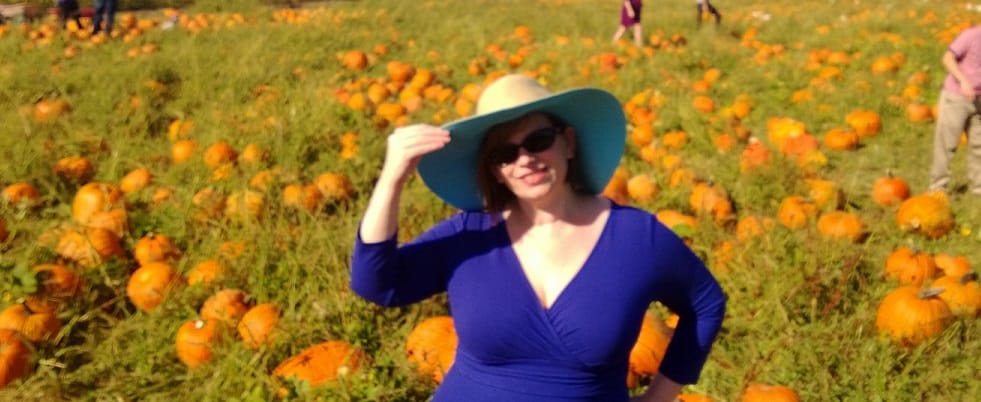
Yes, when the sun comes out, I wear a hat. Wanna fight about it? I burn in about ten minutes of direct sun, regardless of season. But I am grateful for the autumn sunshine and the almost-seventy degree respite from the cold rain and wind. I will always whine that I want a little bit more of this kind of fall weather here in the Northwest, crisp and clear and invigorating, before we settle into our winter of chilly grey, English-moors-type rains.
I was feeling a little low this last week because of some frustrating exercises in waiting and rejections, so I came back from the Atwood reading feeling re-percolated and read some Flannery O’Connor for good measure. Cranky women writers are somehow very appealing to me right now. I guess I’m having a little letdown now that the seasons are changing and etc – and finally having some time (well, coming up in November, anyway) to write, which is somehow both a good prospect and a little intimidating.
I may have some good news soon about a few things…maybe a fourth book, maybe about a sci-fi/speculative poetry reading offsite at the upcoming Seattle AWP, which I will be very glad to announce because of the lack of speculative poetry panels at the official AWP, but hey, the offsites are always more fun anyway, right? And I’ve got the upcoming ArtsCrush event at VALA on October 9 (with Michaela Eaves and Kelly Davio, which obviously will be super fun) and Geek Girl Con to prep for. Still enough going on to keep me thoroughly occupied in October. Now November, I’ll get a little more settled, a little more time to hibernate, to get creative, to plot next steps…
My Last Reading as Redmond’s Poet Laureate, and other news
- At September 30, 2013
- By Jeannine Gailey
- In Blog
- 2
It’s been wet and stormy here, precluding much in the way of going out and enjoying the fall (no apple picking or sunflower hunting in floods and thunderstorms, I’m afraid.) I’m feeling physically like getting out and active more than I have in a long time, so I hope we get a break with the weather soon. Wettest September in Seattle on record!!!
However, as a true adopted daughter of the Pacific Northwest, it hasn’t prevented me from getting out and about for readings. First, I went down to Open Books a few nights ago to see a reading that kicked off Washington’s LitFure event, with Dorianne Laux, Joe Millar, and Chad and Jennifer Sweeney (though I think everyone reading was exhausted, as they had just flown in from the East Coast and it was 11 PM their time. Whew!) It was still a pleasure to see everyone, and had a lot of friends in the crowd I hadn’t seen a while, too, which is always one of the nice side benefits of going to readings.  Dorianne read a great poem involving crime scene investigation that has inspired me to try my hand at a CSI-type poem as some point.
And, the next night, I had my final Redmond reading as Redmond Poet Laureate, as part of RASP’s Jack Straw Writers Program. There was a nice open mike and I read with two other Jack Straw writers, Daemond and Chelsea. It was a convivial evening and a nice way to close my season of Poet Laureate-ing, the crowd was healthy-sized and I even got some cheers and, I believe, some “wooting.”
So, I have to admit, after all the readings and activities lately, I am a bit ready to go into hibernation mode and get back to writing and submitting and the regular business of being a writer, rather than being an ambassador/community organizer/outreach of poetry-type person. I like that stuff, but it also took a fair amount of energy and time, maybe more than I was planning on. Of course, I still have the ArtsCrush program on October 9th and Geek Girl Con on the 19th to do before I can take the time to rest and recover (and, in the meantime, I’m having a lot of overdue dental work done! Fun!) Yes, it’s a glamorous life, all right.
The stormy weather seemed just right for the final episode of Breaking Bad (loved the “Wicked Felina” reference) and for catching up on book reviews (Robert Lee Brewer’s Solving the World’s Problems and Carrie Olivia Adams’ Forty-One Jane Doe’s for Crab Creek Review‘s first issue of 2014, and Raymond McDaniel’s Special Powers and Abilities for The Rumpus. I’m going to get into Midge Raymond’s Everyday Book Marketing next. I still can learn new tricks about book promotion, and Lord knows, as a poet, I need all the help I can get promoting my books!
A Few Upcoming Events – Jack Straw and Arts Crush Girls on Fire, Dentists, and Hummingbirds
- At September 26, 2013
- By Jeannine Gailey
- In Blog
- 2
It’s starting to get cold at night, and that causes hummingbirds to puff up in adorable fashion. Here is one in front of our feeder.
While you are distracted by adorable hummingbird pictures… I spent much of this week in dentist chairs, and let me say this – interviewing doctors has nothing on auditioning dentists. The bad ones are really bad and that leads to inevitable pain. The good ones might still lead to experiencing pain, but at least you trust that they’re doing it for the right reasons. Trying to explain multiple dental-related allergies (latex, novocaine, painkillers) and a rare bleeding disorder and trying to gauge whether or not they know how to treat someone with TMJ – and not all dentists do – led to me feeling a little depressed about how weird I am. I guess the more you talk about your allergies and disorders and such, it reminds you – hey, you’re not like everyone else. You’re trouble – difficult – hard to explain. Sigh. I had to medicate myself with some serious comfort television (Pilot of Community, Pilot of Futurama, some BBC Jane Austen) in the aftermath, but I think I finally found a good one (she let me use my previous x-rays, researched my bleeding disorder and allergies before I walked in the door, and answered all my questions with cheerful directness without blowing sunshine, and did a great job detecting slight variances in the teeth that prevented me from getting unnecessary dental work. Perfect.) Anyway, it reminded me how the medical stuff I take for granted is actually pretty unusual, and a lot of medical professionals just don’t want to deal with someone outside the bell curve.
On the up side – Margaret Atwood will be in Seattle Oct. 4, and I’ve got tickets to see her read! I’m so excited! And onto other more cheerful news!
Part II of Post: Upcoming Events!
This Friday, September 27, you can find me (along with fellow Jack Straw Writers Daemond Arrindell and Chelsea Werner-Jatzke) reading with the RASP reading series – one of my final East side readings for the year (except for the one I describe below. But seriously, none after that!) It should be fun!
And October 9th from 6-8 PM, poet Kelly Davio, myself, and artist Michaela Eaves will be presenting Girls on Fire collaborative art and poetry as part of ArtsCrush at VALA in Redmond. This picture is of us a few days ago plotting our event – interactive poetry and art activities, snacks, and a reading/art display. And here is some art work that Michaela did for the event. Notice who she left out of the picture? Herself! But she will be there, and her art work!


Fall Begins…A Harvest Moon, A Concert, Snoqualmie Falls and a Driver’s License
- At September 22, 2013
- By Jeannine Gailey
- In Blog
- 0
So, in the last few days we’ve been busy getting everything that needed to get done this summer done.
My driver’s license had expired in July (!!) and I hadn’t had time to renew it, what with poetry events, doctor’s appointments, other works, etc…so we decided to drive up to North Bend and get it renewed, taking a quick stop at Snoqualmie Falls along the way. The DMV was as painless and friendly and efficient as could be hoped for. The Salish Lodge in the background (which you may recognize from the opening credits of Twin Peaks) now has its own honeybees and makes honey-caramel popcorn and honey ale and all kinds of cool stuff, so check in out if you visit. The falls are about 45 minutes north of Microsoft, if you use that landmark.
Then we took in an evening concert at the park – something that we like to do in the summer, those concerts at the park, I mean, what else is the last of summertime for? So we saw The Lumineers at Marymoor Park. The concert was mellow (the highlight was a cover of Dylan’s Subterranean Homesick Blues) and the weather was more pleasant than expected – a cool 60 degrees all night before the storm came in. But the real star of the night was the yellow Harvest moon. Sorry the picture of the concert is all smoke and chandeliers – the band was barely visible even in real life with all the smoke.
 And all this is to say – goodbye summertime, hello cold rain! Today the cold and rain swept in – a high expected of something like 56 degrees! In the spirit of fall, I wrote a new poem, sent out a couple of submissions, wrestled with cover art ideas (more on that in a later post) and started work on my Geek Girl Con presentation and ArtsCrush event planning. I’ve got a busy couple of weeks coming up, but I’m looking forward to fall – I always seem to write more and I’m one of those weird people who has much more energy in the sparkling early autumn cold than the summer heat. I’m built for the Pacific Northwest’s weather, I suppose. My tenure as Poet Laureate is about to end, and I have to say that I’m looking forward to having a bit more time to write!
Another fall ritual? My copy of the new 2014 Poet’s Market ! It had a bunch of useful articles in it on how a writer should use a blog, how to write a cover letter, how to give a reading…and of course a ton of new poetry markets to think about, and state grants and that sort of thing. (Two articles and a poem from me in there, if you’re looking 🙂

Dreaming of New Things…Presses, Bookstores, and a next book
- At September 15, 2013
- By Jeannine Gailey
- In Blog
- 0
I’ll admit, with all the health challenges in the last few years, it hasn’t been easy to adjust my personality (driven, accomplishment-oriented, and extroverted) to fit my new limitations and expectations. I went from working a 90-hour-a-week job at a tech company to taking a couple of years to get my MFA and then spent the next few years working part-time – adjunct teaching, running workshops, editing manuscripts, and writing freelance all while trying to manage the health stuff, write some poems, sell some books, do readings. Oh, and on a more limited budget (thanks, recession!) Now I’m ready to dream bigger – suddenly, with this new diagnosis, I feel like – why not do the things now that I’ve always wanted?
My ultimate dream would be running a small press and a bookstore. I know bookstores seem hopelessly out of date but I predict that cozy, focused independents will make a comeback after everything has gone all-Amazon-and-Walmart, and that’s exactly the kind of place I’d like to run. Maybe get a cup of coffee, buy a pillow or a throw, see a reading or even a cooking demonstration – you know, a place that might help a neighborhood feel like more of a community. I can see going out and getting a small business loan to do that someday. And the press – that’s probably in the nearer future for me, now. I’m looking around and thinking of people I’d like to work with, the money I’d have to put in. Would I do my own e-books, or farm that out? Would I need to hire a book designer? Would I do regular press runs or POD or some combination? (probably the latter.) Would I go after a good distributor – or would I need to wait on a step like that? Would I be an open submission press or run a contest? (probably the former.) Would I be non-profit or not? (Probably not – I hate paperwork.) But I’m finally tinkering with near-term ideas rather than five-years-in-the-future. And after working as my city’s Poet Laureate for the last year and a half, it would be nice to feel like I was a giving back to the community, but in a different way.
As you may have guessed from some things I’ve been saying, my fourth book is looking closer and closer to becoming a real thing. (Thanks for your help with the author photos – I’ve narrowed it down to two!) I’m thinking of how to work smarter this time around, how to give the book the support it needs in the right places. What strategies worked in the past and what didn’t? How do I make a maximum splash with minimal obnoxious factor and cost? I’m trying to think more like a publisher, and less like a hapless, dreamy poet these days, in terms of books…So, do any of you have advice on this? Any thoughts on any of these dreams? Am I nuts?
Help Me Decide on my Next Author Photo?
- At September 13, 2013
- By Jeannine Gailey
- In Blog
- 10
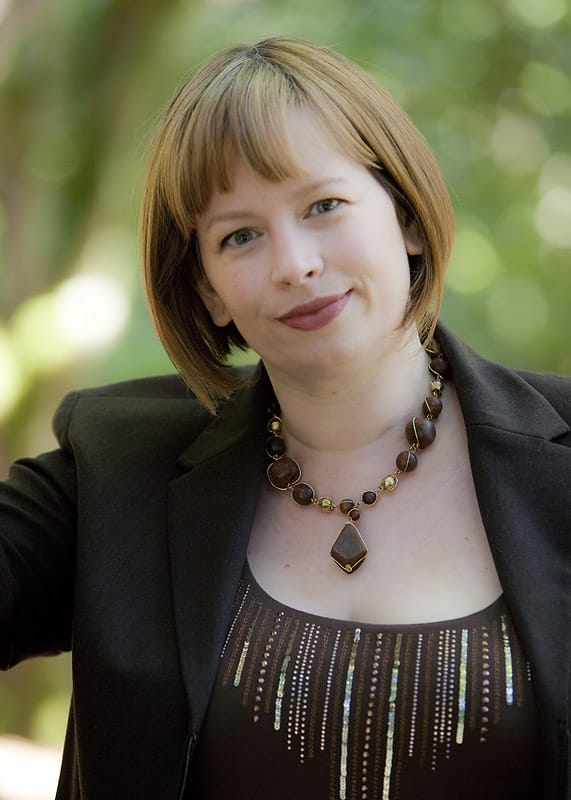
Well, it’s that time again…author photo time! I know it seems like I am carting-before-the-horse since I haven’t announced my next book yet…but I promise I will announce news as soon as I can! Until then, help me pick my next author photo by voting in the comments! (All photos by Tom Collicott. Thanks Tom!)
82

42

73

56
A Video of my Reading, Border Crossing, September Heat
- At September 12, 2013
- By Jeannine Gailey
- In Blog
- 1
In case you’d like to see me read from all three of my books plus a bonus new poem that will be featured in the 2014 Poet’s Market…here’s a video of my part in the Jack Straw reading at the UW’s University Bookstore. (Thanks to my husband for taking the video, and to Chelsea Werner-Jatzke for the kind introduction.)
If you like these poems, you can buy my books here, here, and here. Or order a signed copy directly from me (and possibly get some swag!) here. Yes, it’s almost fall, though it may not feel like it – time to buy some poetry books! I have my new favorites, including Forty–One Jane Doe’s from Carrie Olivia Adams and Special Powers and Abilities by Raymond McDaniel, waiting to be reviewed.
And here’s a link to the Fall 2013 issue of Border Crossing, which features one of my poems, “Phosphorus Girl:”
http://www.lssu.edu/bc/SelectedexcerptsfromVolume3.php
It’s been crazy hot here in Seattle – we broke a record yesterday at 93 degrees, and remember most stuff (including most homes and businesses) isn’t air-conditioned out here. And it’s muggy. The days are getting shorter, though – we drove home through darkness at 8 PM, it feels like just a second ago 8 PM wasn’t even sunset. I’m in the midst of planning things – mostly hopeful things – looking forward to the temperatures dropping and the leaves turning, the rituals of September – buying bright notebooks, baking again, and something I haven’t done enough of in the last year – spending time with friends, catching up on what we did all summer. This week, drink some frozen watermelon lemonade and grill out one last time in the late heat, pick up a book, buy some highlighters, pick some sunflowers, kiss someone on the lips. It’s the last long days of waning summer…
A Jack Straw Reading at University Bookstore, A Poem Feature, and Pondering Publishers…
- At September 10, 2013
- By Jeannine Gailey
- In Blog
- 2
All righty, enough sad posts for this week. Thanks to Bridle Path Press who is featuring two of my Robot Scientist Daughter poems this week here. They’re only up for a few more days so hurry and catch them!
I’m reading at the UW University Bookstore downtown tonight at 7 PM as part of the Jack Straw Writers reading series with terrific poets Daemond Arrindell and Larry Crist. Show up if you can – it’ll be a good show!
Pondering Publishers…
So, my next book will be my fourth, and I wish I had a ton of wisdom to share now about how to go about choosing a publisher for your poetry book. It seems like, yes, there’s the contest system, there’s open submissions (which sometimes still charge fees,) and there are presses that take submissions any time. It seems the larger poetry presses are reading less, but small poetry presses are proliferating, thank goodness, so maybe that makes up for it. At last week’s twitter #poetparty, I asked poets about what they looked for in a press. Not only am I thinking about how to decide where to publish my own next book, but I’m thinking in terms of starting a small press myself someday soon. Here are some of the top answers:
- Input or say in the cover art. That was really a high priority for a lot of poets, and with good reason – a lot of people pick up a book of poetry (or not) because of the cover.
- Distribution didn’t seem as important to most poets at the twitter poetparty as it does to me. I think now that distribution – even if the three main ways books are sold by poets is either at readings, on Amazon, or directly through the press’s web site – is an important consideration when you sign up with a press. You want your book to get out into the world.
- A good working relationship with the editor. Yes, that does seem important. I often send to presses because I like the editor’s voice.
- Royalty rates, author copies, longevity of press, and how the press markets their books were also considerations. I like to see that the press is active on social media, has an e-mail newsletter where they promote their books, and that it has a decent, easy-to-navigate web site. Does the press do e-books? Have their books won major prizes recently (see below…)
- Something that wasn’t brought up but strikes me as important as someone who has done this three times…how willing is the press to send out review copies? How many prizes will they send your book to, and are they willing to send copies/pay fees? For poetry books, getting attention is tough, and getting any kind of prize recognition and reviews really helps get the word out.
What else do you think are the most important things to think about when a poet signs up with a press? Yes, you can also say “the press accepted my manuscript” as an important consideration, but I think that we need to think beyond “they like my work” to what the press is going to do for the book once it’s published (or not.) There was also a discussion of POD versus traditional print run, self-publishing versus traditional publishing, and options in-between. The publishing world is changing, and the poetry publishing world in particular is kind of morphing before our eyes, and it’s our job to keep up as well as we can.
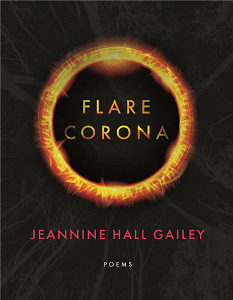
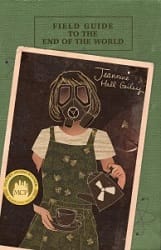
 Jeannine Hall Gailey served as the second Poet Laureate of Redmond, Washington and the author of Becoming the Villainess, She Returns to the Floating World, Unexplained Fevers, The Robot Scientist’s Daughter, and winner of the Moon City Press Book Prize and SFPA’s Elgin Award, Field Guide to the End of the World. Her latest, Flare, Corona from BOA Editions, was a finalist for the Washington State Book Award. She’s also the author of PR for Poets, a Guidebook to Publicity and Marketing. Her work has been featured on NPR’s The Writer’s Almanac, Verse Daily and The Year’s Best Fantasy and Horror. Her poems have appeared in The American Poetry Review, Poetry, and JAMA.