Despite Everything, Spring and Solstice; Choosing an Author Photo Every Decade; and Reviews and Reading Reports
- At March 20, 2022
- By Jeannine Gailey
- In Blog
 2
2


early pink cherry blossoms
Despite Everything, Spring and Solstice
We’ve had a colder March than usual, and it’s been gray and rainy, but in fact, spring is springing around us, despite war and pandemic and other apocalypses. Jonquils and hyacinths are up, and the early plum and cherry blossoms are starting to appear. I’ve heard more birdsong; my garden, mostly still asleep, is showing signs that it is actually a garden. And how is it the Spring Equinox already?
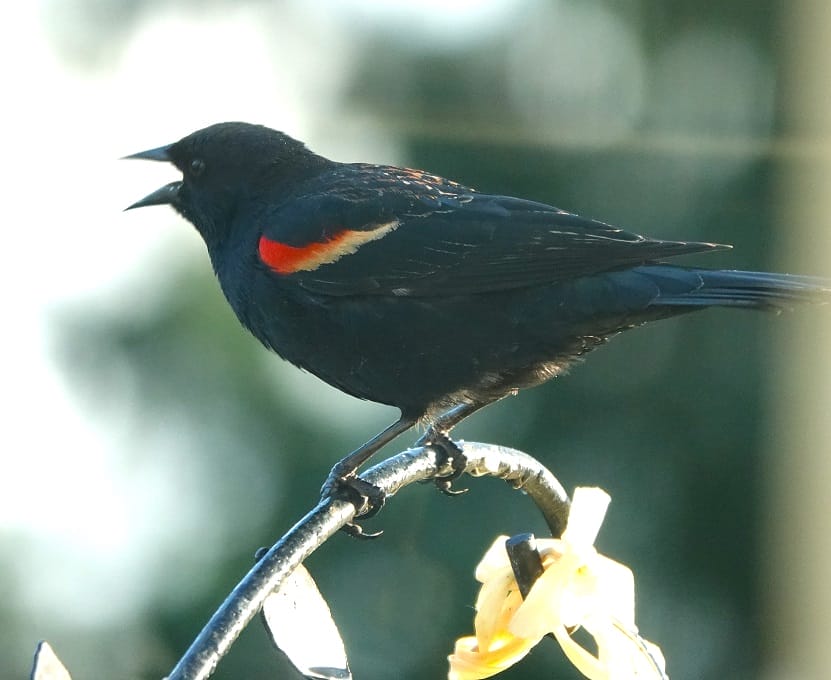
Here are some pictures of a red-winged blackbird singing, my small weeping cherry, and some white cherry branches. Meanwhile, my refrigerator died, the third pandemic appliance death in three years – this is getting expensive. At least the new fridge models are more energy efficient and easier for me to access. And I’ve been doing a lot of reading in the rain, which I’ll talk about later, and more exciting – I posed for my first author photo in over ten years. Now I just have to decide on one.
-

- White Cherry Blossoms

-

- Red-winged blackbird, singing
-

- Weeping Cherry from my yard

Choosing an Author Photo Every Decade or So
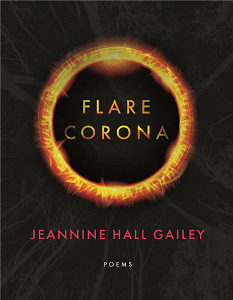
Along with spring, there’s another seasonal ritual that must be performed every decade or so: getting a new author photo done. It just doesn’t feel right to use a photo that’s more than ten years old – ten years ago I was so sick, before my MS diagnosis, barely able to walk or eat anything. I wasn’t in the same place I am now. My hair had less gray in it – and for that matter, I hadn’t started my pink hair color phase yet. So I thought, for my upcoming book with BOA, Flare, Corona, I’d do an updated author photo. I was pretty nervous because I’m a writer, not a model, and not as spry as I used to be, either. But I thought: let’s do it and then I don’t have to do it for another ten years! Heck, I think Louise Gluck used her mid-forties author photo (she looked fantastic in her mid-forties, I can remember) for at least twenty years!
Anyway, I had a great local photographer, Char Beck, out and we took pictures with a cherry tree across from my house. Anyway, if you want to help, here are the four final contenders. You can leave your vote in the comments: Photo 1, Photo 2, Photo 3, or Photo 4!
-

- Photo 1: rose gold

-

- Photo 2: fuchsia, hair windy

-

- Photo 3: pink top, side eye

-

- Photo 4: pink top, elfy


Mask-less visit to Molbaks, spring display with pink bicycle
In Other News, Reviews, Mask Mandates, Donna Tartt Reading Report, and More
So, Washington State’s mask mandate was lifted a few days ago. Glenn and I weren’t up to trying a restaurant yet, but we did make a spring pilgrimage to our favorite gardening store, Molbak’s, and bought herbs and flowers to plant. It was so nice to be able to smell things again! But I’m mostly staying masked up for the time being. While our covid rates have really dropped, especially in my county, we’re staying cautious. But it does seem like we’re getting closer to a post-pandemic period, doesn’t it? As we get better, newer treatments, and maybe even better, newer vaccines, we won’t erase this virus – it will continue to mutate and appear in waves for a while, I believe – we will not have to live in quite as much fear. I hope.
I’m trying to review a poetry book for the first time in a while – Dana Levin’s Now Do You Know Where You Are, from Copper Canyon. Exercising those reviewer muscles again. The book has made me cry three times. It’s also one of those books you really need to pay attention to and read the notes at the end of the book. It’s not a book you can skim easily and that also might make it more rewarding.
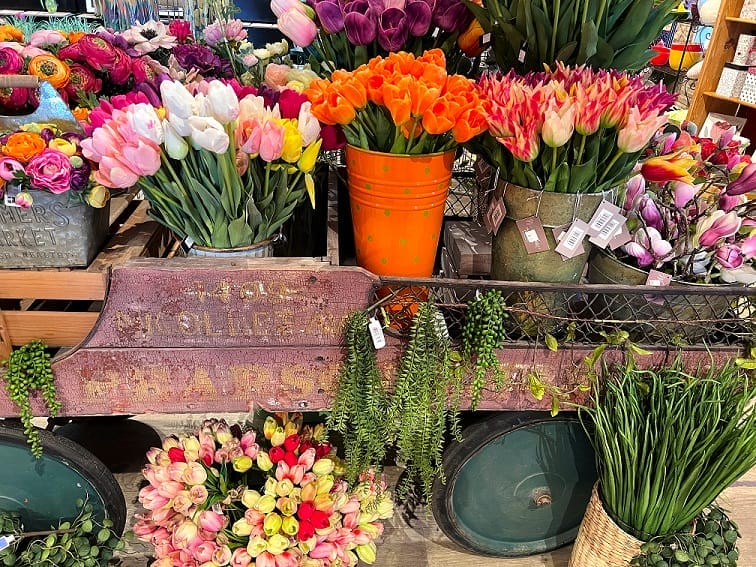
Spring tulip display at Roozengaarde gift shop
I also finished my mother-daughter book club read, Donna Tartt’s The Secret History. I had read this book and loved it in my twenties, but as I read it this time I read it as a writer – like, I think Donna should have made the main character a woman from the South, not a man from California, not only because I think women writers have a tendency to “male up” their protagonists to be more “accessible” or popular with male critics, but also because some things didn’t ring true, either the male or the California aspects – and I think the book could have used more humor and pop culture references. The eighties were so much fun, it seems a shame to leave out references to, I don’t know, Prince or Madonna or John Hughes movies or something. It’s also a bit of a slog in the middle – not exactly paced right for a psychological thriller. Like, you don’t want the reader thinking, she could really have edited this part out, or doesn’t this seem repetitive. (I had a similar reaction to The Goldfinch.)
It’s interesting to revisit books you read in your twenties – at the beginning of the pandemic, I re-read Middlemarch, which I hated in college, but actually enjoyed it in my forties. Maybe The Secret History is really a twenty-something’s kind of book. Anyway, I also have been on a Hitchcock bender the last year, and I couldn’t help but notice the similarities between this book and the Hitchcock thriller, Rope. (Check it out if you haven’t. A really great turn by Jimmy Stewart as an amoral philosophy professor.) And actually, between this and the Buffy the Vampire Slayer episode, The Pack. Funny how those things turn up when you read. I also really saw more parallels between this book and Flannery O’Connor’s Southern gothic moral fiction (I hadn’t read any of Flannery’s work in my twenties yet.) So, though it took some time, it was actually a captivating book with really beautiful sentences that not only reflected the dark mood of the world right now but also made me think about questions I hadn’t in a while: does fiction have to be funny? Does it have to teach us something? Do you need any likable characters? I would say if you compare this book to her classmate’s book, Less than Zero (which also was really devoid of humor – gosh, did Bennington College in the eighties knock the humor out of its English students or what?) you can see that though Less than Zero made more of a splash, I think Secret History had more of a lasting influence on other writers.
Next up on my reading list is Rapture and Melancholy: the Diaries of Edna St. Vincent Millay. I’ve already enjoyed taking a look at her pictures (saved by her sister, who passed away at 90 in 1989) and reading about her amazing self-confidence as a young person. I loved Edna St. Vincent Millay as a teen, and I still enjoy reading her poems out loud – she’s funny and bracing and has great musicality. I’m interested how her diaries – and life trajectories – compare to other women poet’s diaries I’ve read in the last few years.
The Apocalypse is Knocking, First Cherry Blossoms, Cats From the Past and More History Repeating
- At March 13, 2022
- By Jeannine Gailey
- In Blog
- 1

It’s the apocalypse, but a haircut and four fillings later…
The Apocalypse is Knocking
The Apocalypse feels like it’s knocking at the door. Are we going to answer?
The picture at left was taken this week after 1) spending two hours getting four fillings in my front teeth and 2) getting my hair cut and colored. These things are a total waste of time if a maniac ends the world in nuclear war or the pandemic kills me. Yes, I think about weird stuff like that. How do we respond of existential despair and threats of war and pestilence? Do we think harder about how we spend our time, our money, our love, our votes?
So, in a way, every act – going to work, kissing your spouse, petting your cat, is an act of rebellion against nihilism. Stopping to take pictures of trees – something I started doing when I was diagnosed with terminal cancer over five years ago (I was told I did not have six months, FYI…always get a second opinion, kids!) – is to make a record of the beauty as the world continues. Until I stop, or it stops. My philosophy.
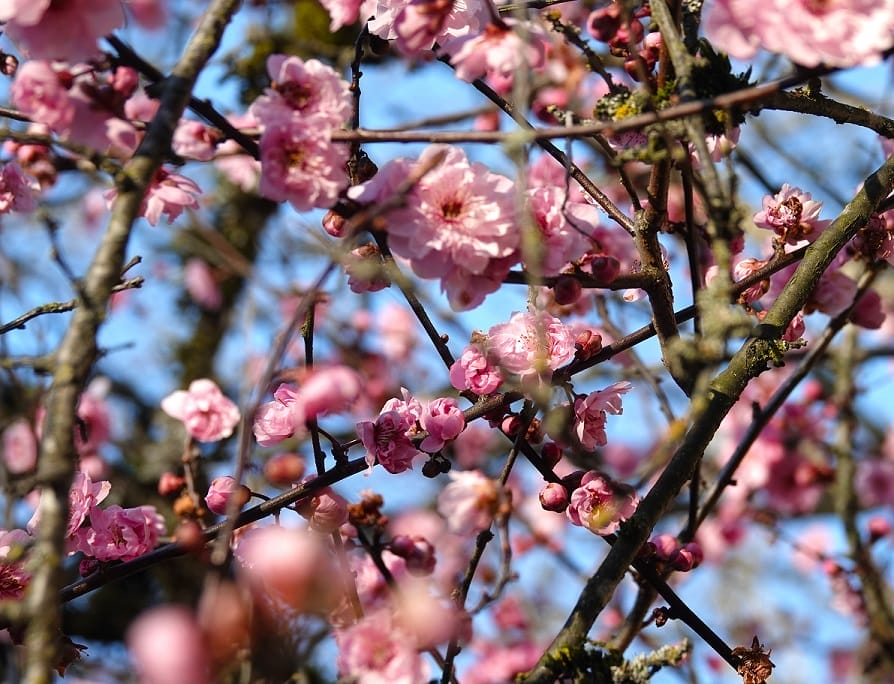
Speaking of that, I saw the first cherry blossoms this week in Kirkland, and I also photographed another early spring bloom, quince. Quinces look like ugly shrubs in the winter, and then they have these beautiful blooms and fruit. I’ve always liked those kinds of things. Apple trees with their twisted arms and shrubby height, how fragrant their blush petals are, their fruit that hangs on ’til September. Bulbs that when you plant them seem like nothing, brown little lumps, then bring their tulip petals and daffodil trumpets during the cold early spring. So here are some pictures of March flowers. Are you writing poetry, or sending it out, or getting ready for AWP? Good job. I have been struggling with poetry’s relevancy in the last week or so, I admit. It feels…frivolous. Extraneous. I know that it is good for the soul, but maybe my soul is feeling a little fractured right now.
-

- First cherry blossoms
-

- Red quince blossoms

-
- Daffodils


Me posing with brand new cherry blossoms. I don’t know what my great-great grandmother looked like at my age. She probably didn’t have pink hair. I wish we had more pictures of her.
Cats from the Past – and More History Repeating
Remember how last week I mentioned how history seemed to be repeating, with a pandemic and the threat of world war starting in Europe? My mother has been going through my grandmother – who died of covid in November of 2020 – things, her keepsakes, letters, books, pictures. One thing was a letter my mother read me from my grandmother’s aunt to her brother, my great-great uncle Jean (whom I may be named after) to check how he was doing with his case of the flu in 1922. He was dead by the time the letter arrived. Even though the Spanish flu was declared “over” in 1920, people were actually dying of it i 1921 at as high a rate as they had a year before, and of course it also spilled into 1922, obviously. (One in ten Americans died of the “1918” flu, FYI. A great account I read earlier this year was “Pale Horse, Pale Rider” by Katherine Anne Porter) Does that sound familiar? People were tired of caring about the flu, people were still dying of it, but the burden of worry and grief was too much. The world shrugged. Sorry for this sad story from my family history with echoes of our covid tale. Let me tell you a happier one.
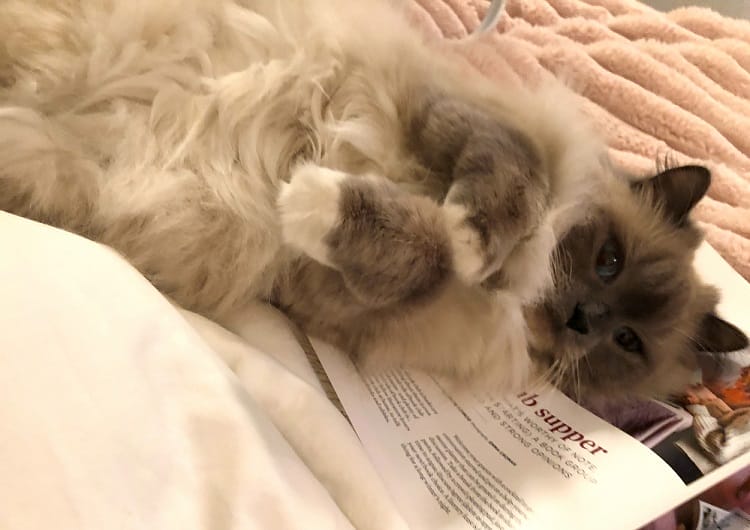
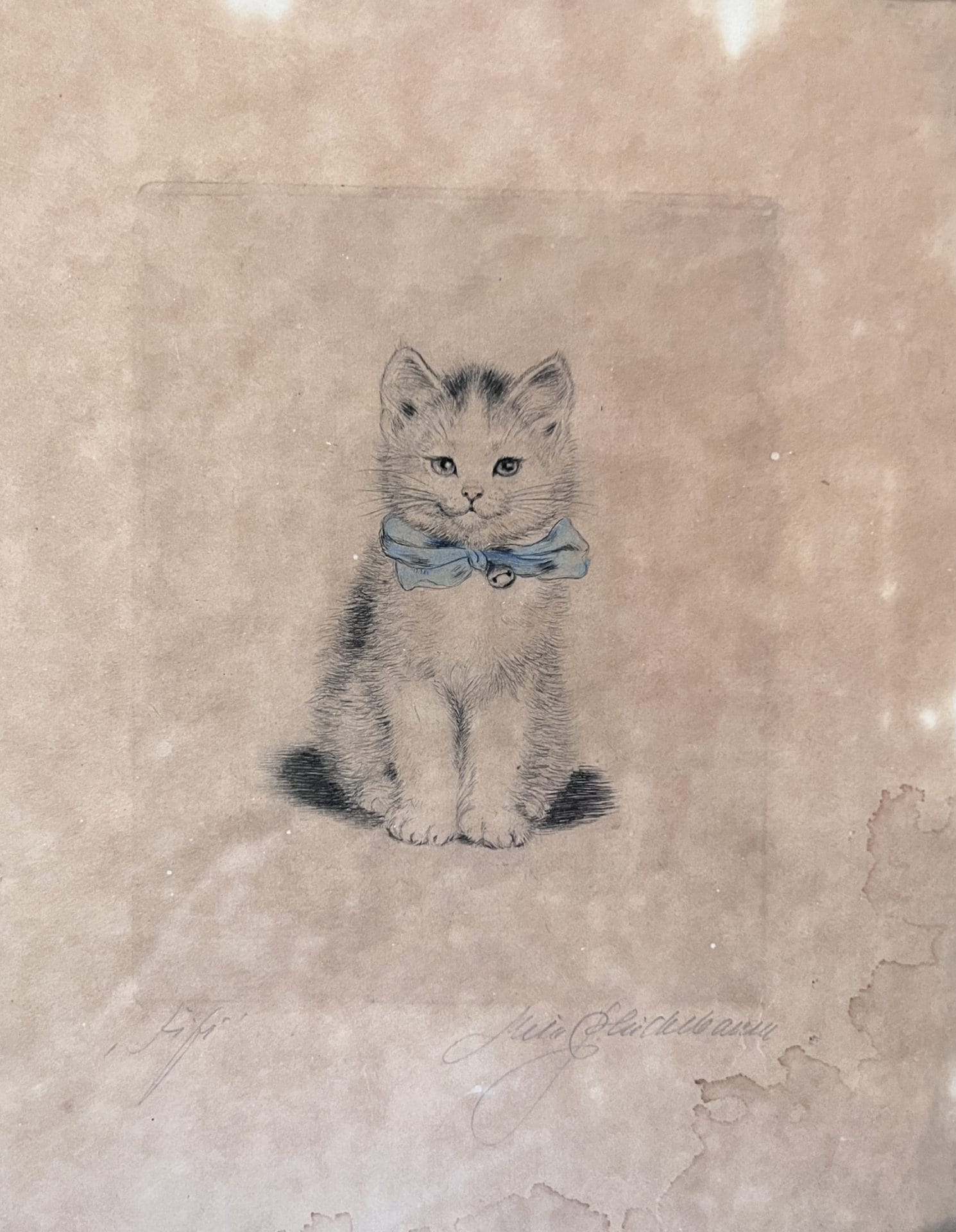
My mother also found a picture of my great-great grandmother Elizabeth’s kitten. It was a sketch signed by the artist, and also had the name “Fifi” inscribed on the picture. The weirdest part of this is that the kitten very much resembles Sylvia: fluffy, blue eyed, white with gray points. Is my kitten a reincarnation of my great-great grandmother’s childhood pet? Did this picture register in my childhood mind when I saw it at my grandparents’ house and cause me specifically to adopt a kitten someone else was looking to rehome because she was eccentric, hard to care for, destructive and sickly? I don’t understand time loops and reincarnation among cats, but all things are possible.
-

- Fluffy Sylvia picture
-

- Fifi, from around 1900?
Finding My Way with Poetry and Trumpeter Swans in a Week of War and Anxiety, A Change in Perspective
- At March 06, 2022
- By Jeannine Gailey
- In Blog
- 0

Trumpeter swans with barns, La Conner
In a Week of War and Anxiety, Finding My Way with Poetry and Trumpeter Swans
It’s been another week of war stress, watching the Russians march into and bomb Ukraine and its people and besides that, five people a day in my county, which is highly vaccinated, are still dying of covid but all the restrictions are being lifted anyway, so that’s fun. War with Russia trying to take over the world supervillain style and a pandemic? Why are we having a hundred years of history but only the bad parts in two years?
Not only that, everyone, including me, seems more stressed and anxious than usual. I have to remember to be kinder than usual, and my social skills have not improved from being basically isolated in my house for two years. Also, on the road trip, I saw at least three cars driving to try to kill each other. People, the highways are not your anger management strategy.
 So I was pretty tense and once again, sleepless for most of the week. I tried meditation, deep breathing, exercise, and yes, prayer. I wrote to my senators. I gave to multiple charities trying to help Ukraine. But mostly I felt helpless and kept having war dreams. I dressed up and put on makeup and decided to spend some time outside. (PS This is one of my possible author photo outfits, still deciding, speaking of things that aren’t important…)
By the way, you should read this piece on CNN by my friend and poet colleague Ilya Kaminsky about his home country and the place that poetry and humor have in Ukrainian culture. And if you haven’t read Ilya’s poetry, his first book, Dancing in Odessa, or his second, Deaf Republic, are excellent – and educational – reads.
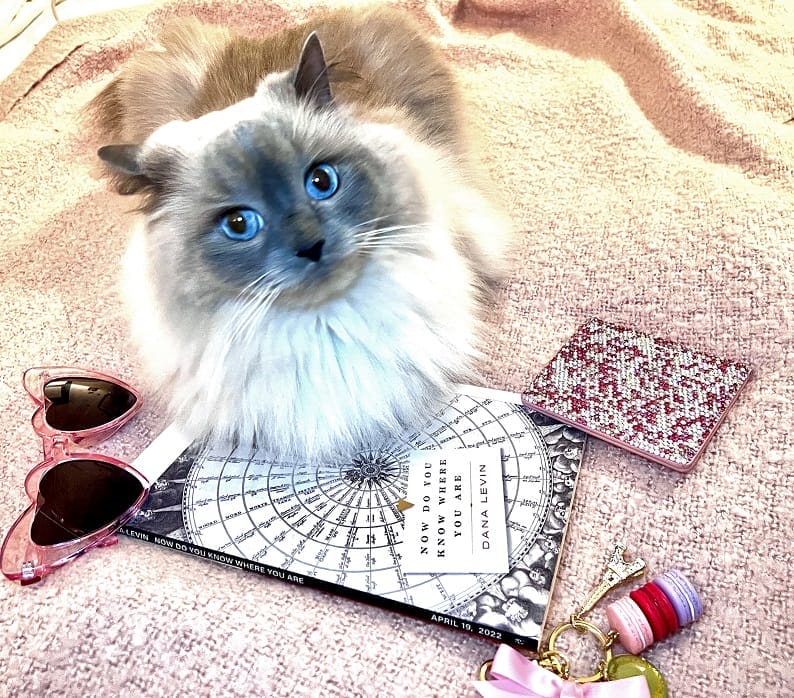
Sylvia poses with Dana Levin’s newest book, Now Do you Know Where You Are
Poetry Cannot Save Us, But…
As Ilya’s piece shows, poetry can stay important even in a time as fraught as ours. I’m currently reading Dana Levin’s upcoming book from Copper Canyon, Now Do You Know Where You Are, for a review and her work is apocalyptic in its own way and it delves into her move to St. Louis, where my father grew up. Of course, with the title, I immediately staged a photo picturing Sylvia the kitten going on a road trip with the book as reading material. Ah, some of us have different ways of dealing with stress!
In a way, reading her work was able to transport me and made me think about what poetry is and isn’t able to do. I’ve been writing poems about nuclear war, about the Doomsday clock, about being in a pandemic as a disabled person. Are these poems that will help other people? I can’t tell. But I can say they are what I need to write right now.
What are you reading right now?

Daffodils in La Conner, WA
Spending Time in Nature with Eagles, Swans, and Daffodils
Today it got up to fifty degrees, no rain, and sunset was as late as 6 PM, so we decided to take a short day trip to spend some time in nature. We went up to a famous spot for bird watching, Skagit Valley, Washington, which gets snow geese, Trumpeter swans, tundra swans, who migrate, and eagles and herons year-round.
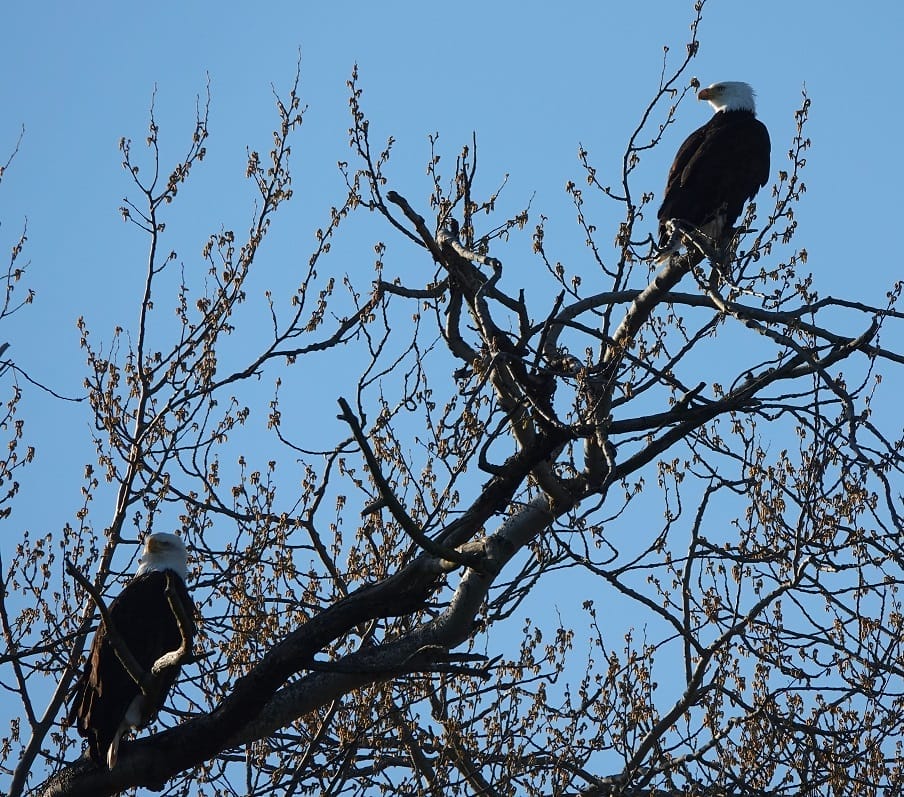
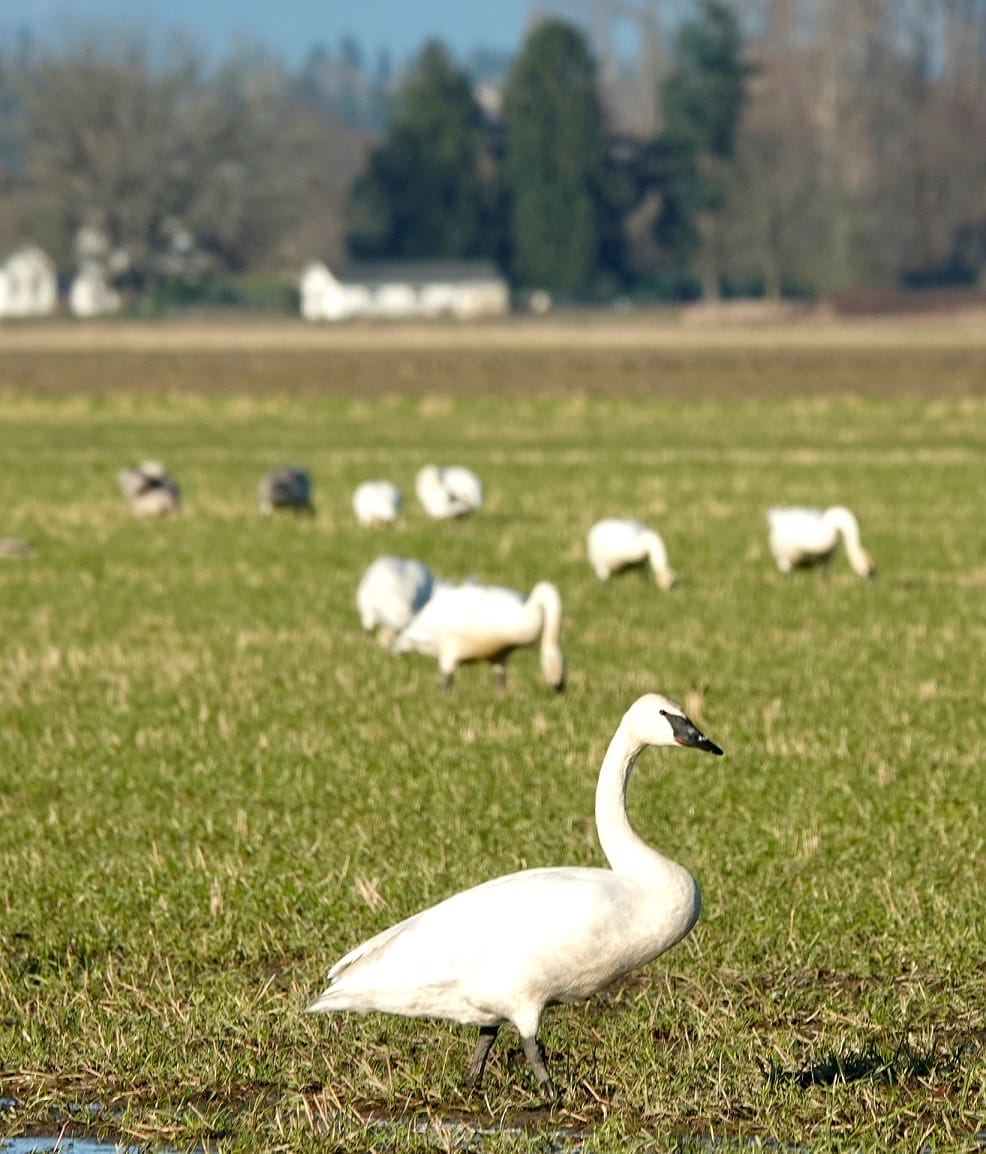
We saw so many Trumpeter swans, a pair of bald eagles, and a few early blooms – daffodils and a crocus – at Roozengaarde Gardens, which was completely empty of visitors except for us. Getting out of the house and out of my own head helped my thinking, my mood, and my outlook. Sure, looking at eagles and swans can’t fix the world’s problems – but they do remind us of the good and beauty in life.
-

- Pair of bald eagles
-

- Purple Crocus

-

- Trumpeter Swans with mountains

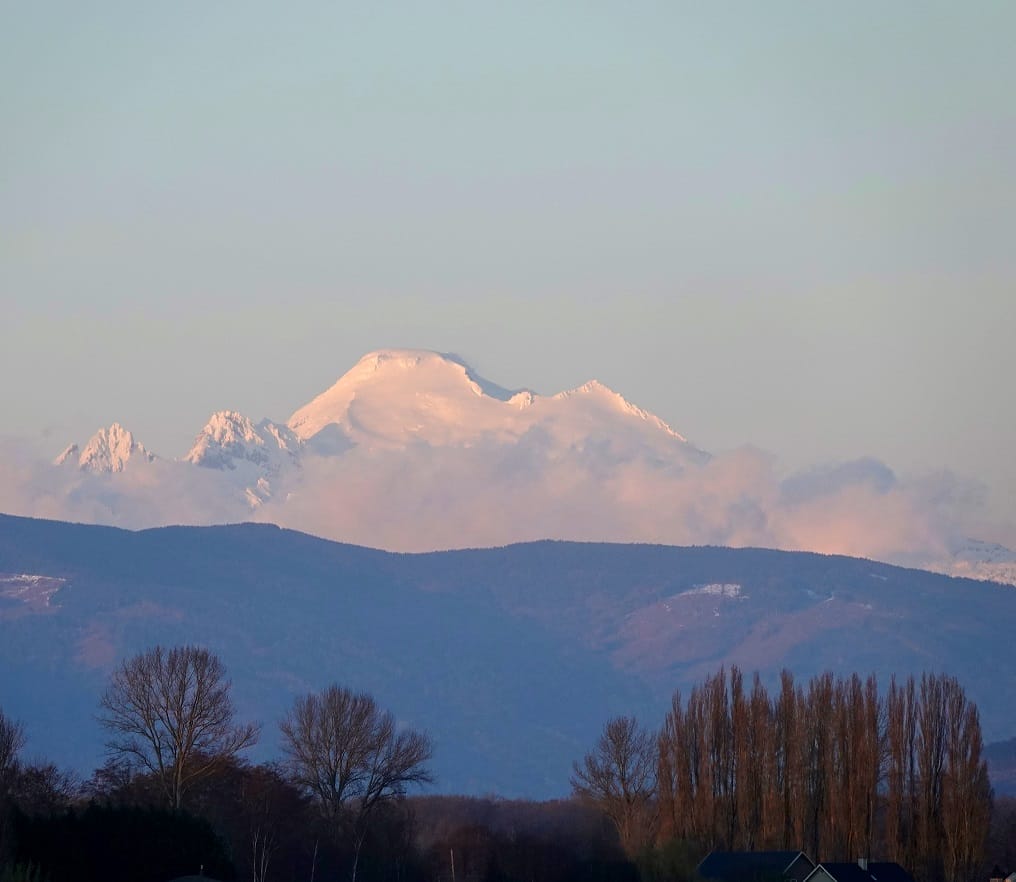
Mt Baker at last light, La Conner
A Change in Perspective
One of the good things about both reading and getting into nature is that they both provide a welcome change in perspective. They remind you of the larger world and your place in it. Sometimes we have both an inflated sense of our place in the world AND an inflated sense of our ability to control it. On a micro level, we can do positive things – we can plant a tree, or give money to a charity that helps people who suffer in a war across the world, or write a letter about an issue we care about. On a macro level, we are each part of a much larger system – in which we don’t matter all that much, which is both a sobering and a comforting reminder. In the face of evil, we can ignore it or we can resist it. We can be grateful for the instances of beauty all around us. In a time that seems very apocalyptic, we can choose to hope.
Leaving you with a few more shots of swans…
-

- Trumpeter Swans in a field

-

- closeup of Trumpeter swan
A Week of Insomnia, the Threat of Nuclear War and Ukraine Heartbreak, Spring Approaches but with Record Cold and Snow (plus bobkitten!)
- At February 27, 2022
- By Jeannine Gailey
- In Blog
- 1

In a pink sweater dress, dreaming of spring – and peace
A Week of Insomnia and the Threat of Nuclear War
How are you doing? If the stress of the pandemic was not enough, now we are dealing with the threat of WWIII this week as Putin invades Ukraine. The ghost of nuclear war anxiety – something I was familiar with as a kid in the eighties, where nuclear war with the then-Soviet Union was always on our minds and felt like something that could happen any day – is back. My childhood home, Oak Ridge, Tennessee was always on the bombing risk list because although it is called “the Secret City,” the secret is pretty much out that it’s a place that the US could – and definitely has in the past – manufacture nuclear weapons.
So all week I have been unable to sleep, perhaps not inexplicably. I’ve also been running a fever all week, tired, stressed. As mask mandates and vaccine requirements are lifted, the high-risk (like me) are left more vulnerable.
But as the thought of pandemic stress is starting to wane in most American’s minds, it’s still there for me, and now on top of that, heartbreaking videos of young women preparing to defend their country – teenage girls standing in front of their homes unarmed facing armed Russian soldiers, elderly Ukrainian women offering sunflower seeds to the Russians to help commemorate their dead, a 26-year-old teacher being drafted to defend her home city of Kyiv, the bombings, the black smoke, the air raid sirens – anyone with any amount of empathy must be overwhelmed, and when faced with the inaction of the US and Europe against this dictator’s Hitler-like takeover of a country, equally angry and feeling powerless. My brother, who worked extensively in Ukraine in his last job in tech, encouraged me to write to my senators and to send money to Ukrainian charities. If I could become a superhero right this second, I would go and defend the brave citizens of Ukraine.

Yellow crocus – sign of coming spring and hope
Spring Approaching and Nuclear Poems
This week was so strange – cold, sunny days, record-breaking below freezing temperatures at night, even snow – and spring flowers. It made me think of the news, the frenetic dives between politics and plague.
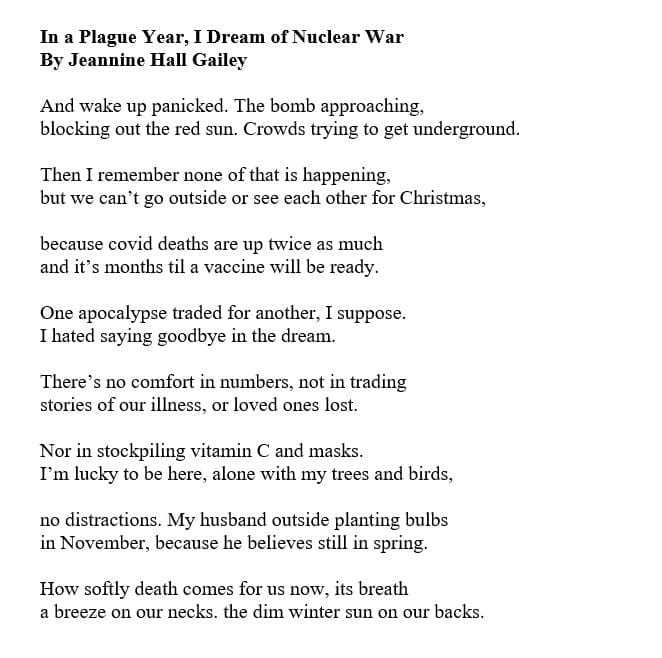
In the beginning of the pandemic, I dreamt repeatedly of nuclear war, and wrote this poem in response, which suddenly seems alarmingly prescient. I usually don’t post unpublished poems, but this one seemed timely. It may make its way into my newest book.

Hummingbird in sunbeam on top of bird cutout
Just a Little Bit of History Repeating
Those of you who are students of history could not be unaware of the parallels to WWI and WWII right now – the financial instability, the crazed dictator and his alliance with an equally sketchy country or two, the global pandemic and war stresses at the very same time, and the stubborn slowness of the US government’s response to both pandemic and war. You know Woodrow Wilson never even publicly addressed the 1918 flu, despite the deaths of one out of every ten Americans from it and he actively increased infection by shipping infected young soldiers around in too-close quarters? Did you know most Americans didn’t want to help Europe in WWII, despite so much evidence that Hitler was a monster and committing heinous crimes – and that we refused refugees’ applications to enter the US, especially of Jewish people, even Anne Frank? (True fact!)
And despite all of this alarming information, the birds are singing louder, the flowers are starting to show their willingness to bloom despite temperamental weather. I feel like I should be tougher, more resilient, like the flowers. My body betrays me – lying awake, uneasy dreams when I do finally get an hour or two of sleep – the fevers, dark circles, nails splitting and a nagging cough. My body knows things are really not okay, no matter what meditation apps I use, or deep breathing exercises I try, or cures of tea, soup, and vitamins.

A proliferation of camellia blossoms
In the unease of the end of February, let’s hope for a better spring – easing up of pandemic death rates, an end to Putin’s ambitious power grabs (and China’s eyeing of Taiwan in the background) that put the entire globe out of balance – a time when we can once again see our friends and family, that America defends its allies and welcomes refugees from despots. The hope that my doctors can help sort out the haywire immune system problems that keep me from living the life I want. If I can banish the discouragement brought on by plague, and war threats, the political strife in America – maybe I can write more poems. Even if the poems can’t bring peace and health to the planet, or even bring an end to my insomnia.
PS: Last night there was a bobkitten sighting on my Ring recorder – a small bobcat, and he was wagging his tiny little bobbed tail! That seems like a good sign!
The Future of Lit Mags, Birds and Blooms in February
- At February 20, 2022
- By Jeannine Gailey
- In Blog
- 0

The Future of Literary Magazines
CNN did an article this week, surprisingly, on the future of literary magazines, particularly smaller mags: Long-standing literary magazines are struggling to stay afloat. Where do they go from here? – CNN Style. They talk about the lit mags going under – even big ones, like The Believer.
In the fifties and sixties, the CIA, among other government agencies, sunk a surprising amount of money into literary magazines like The Paris Review, The Kenyon Review, and many others, in order to fight the cold war, so the speak, in the art world.
For a while, universities seemed willing to foot the bill for literary magazines for the prestige, but now, they’re shutting down MFA programs and their accompanying literary magazines left and right, as unbusiness-y, unprofitable.
So what is the future of lit mags? I joked that maybe it’s in the hands of some of the richest people in the country – the ex-wives of Bill Gates and Jeff Bezos, aka Melinda and MacKenzie. I met MacKenzie once at a writer’s conference, not knowing who she was, assuming she was just another struggling writer. I think she might be open to a solicitation for the right kind of magazine – she’s giving away her fortune at astounding rates, which: good for her. Their husbands were never going to do much for the arts out here, even though they live here in Seattle (and the Eastside). You’d think they’d do more for local culture! But their ex-wives will be big contenders in shaping where Seattle’s non-profit scene is at, and not just that, but the whole country’s non-profit scene.
When I volunteered for several lit mags, I begged them to try to raise subscription numbers, to take adds from local businesses, to hold more creative fundraisers, anything so they weren’t so attached to either a) a university’s funding or b) a single angel investor. How can a literary magazine make a profit, and do we even want to worry about that? My answer is, if you want to keep them around, then yes. Often, lit mags are very expensive compared even to the fanciest “regular” magazines. Younger readers expect to get their content for free – even regular mags are struggling with subscriptions. So we have to give readers a reason to buy the magazine. What would that be? What do you think? Are lit mags doomed? Can someone start throwing awesome parties that might attract billionaires looking to share the wealth with the literary arts? And invite me?
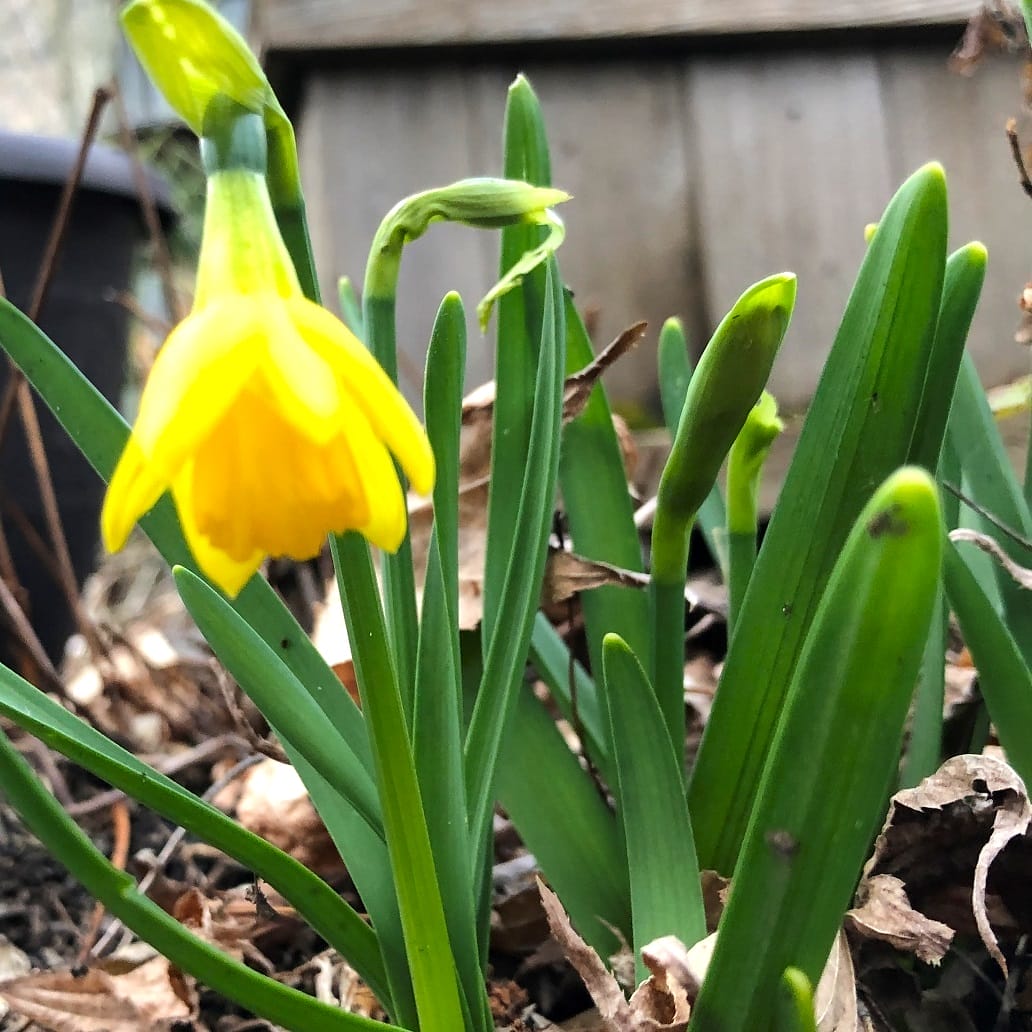
First Jonquil in My Garden
Birds and Blooms in February
It’s about to freeze again tomorrow and stay below freezing for three days, so while I’m excited for these early blooms and birds, I’m nervous that the lone bumble bee I’ve seen at my garden might be doomed, much like literary magazines. Camellias and jonquils, mostly, but other things in my garden are budding up. Despite the coming freeze, spring is coming. It’s just taking it’s time this year, a little stop and start.
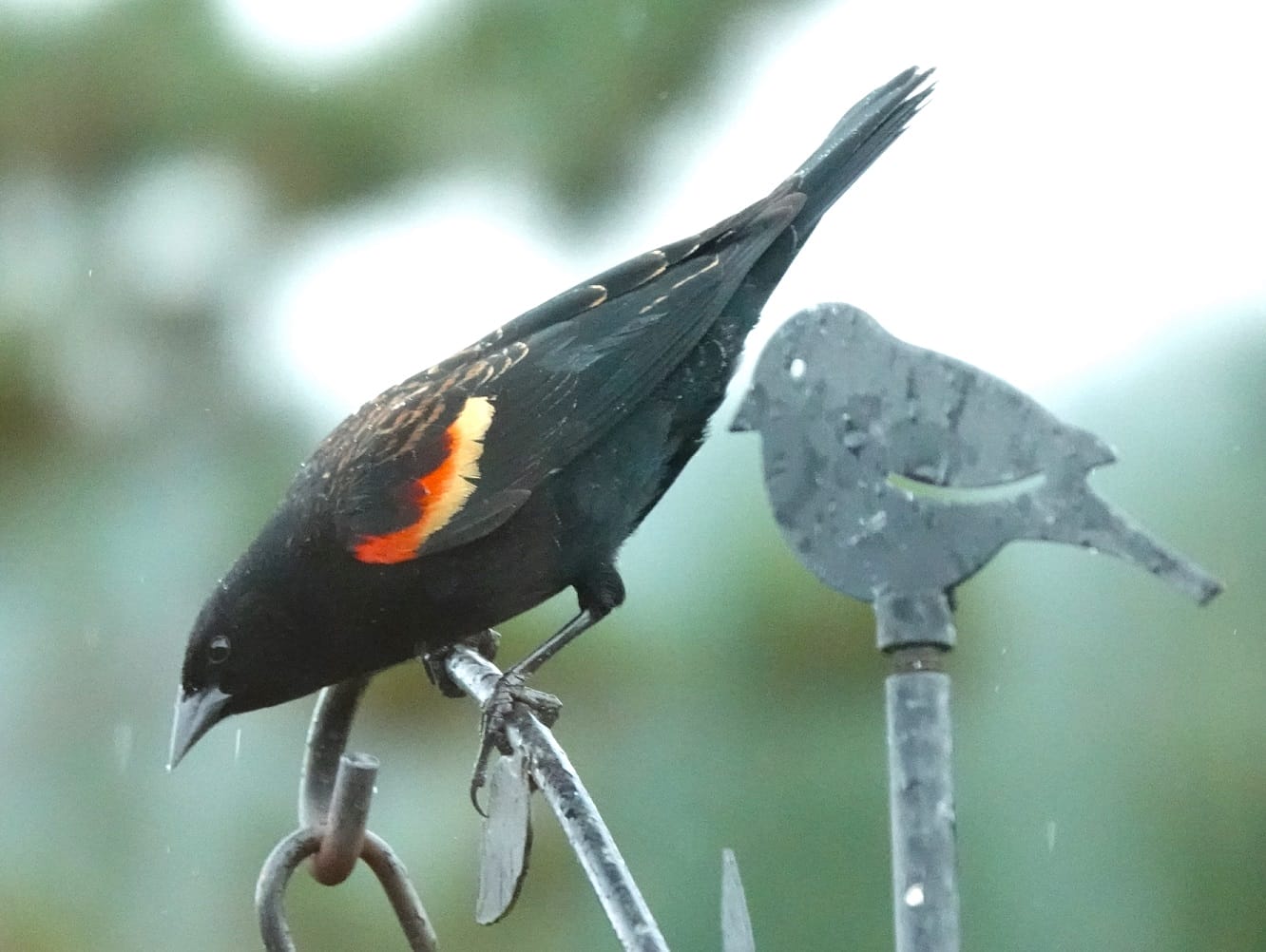
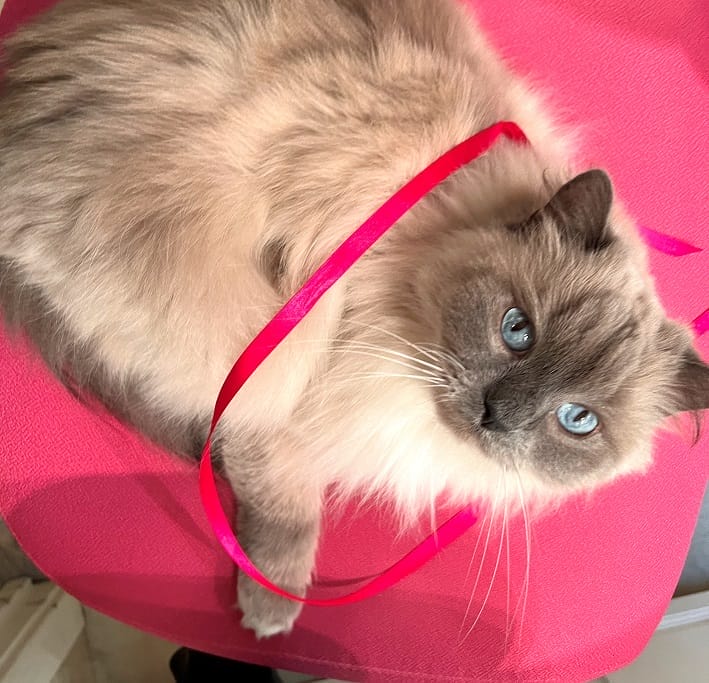
Our bird visitors this week included lots of Anna’s hummingbirds and a less common visitor – a red-winged blackbird. It was mostly rainy, as you can probably tell, which doesn’t make for the best pictures, but I thought you’d enjoy seeing them anyway. Also, my cat Sylvia with a Valentine’s Day ribbon, just to mix it up.
-

- Red-winged blackbird

-

- Anna’s hummingbird

-

- Anna’s hummingbird

-

- Red-winged blackbird
-

- Pink camellias in bloom

-

- Red-Winged Blackbird in Flight

-

- Valentine cat Sylvia
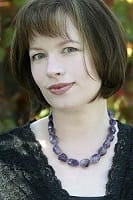 Jeannine Hall Gailey served as the second Poet Laureate of Redmond, Washington and the author of Becoming the Villainess, She Returns to the Floating World, Unexplained Fevers, The Robot Scientist’s Daughter, and winner of the Moon City Press Book Prize and SFPA’s Elgin Award, Field Guide to the End of the World. Her latest, Flare, Corona from BOA Editions, was a finalist for the Washington State Book Award. She’s also the author of PR for Poets, a Guidebook to Publicity and Marketing. Her work has been featured on NPR’s The Writer’s Almanac, Verse Daily and The Year’s Best Fantasy and Horror. Her poems have appeared in The American Poetry Review, Poetry, and JAMA.