My Interview with Kelli Agodon in Redactions, Some Scenes of Hummingbirds, Supermoons, and Mt Rainier, 100 plus Heat Wave
- At June 26, 2021
- By Jeannine Gailey
- In Blog
 1
1

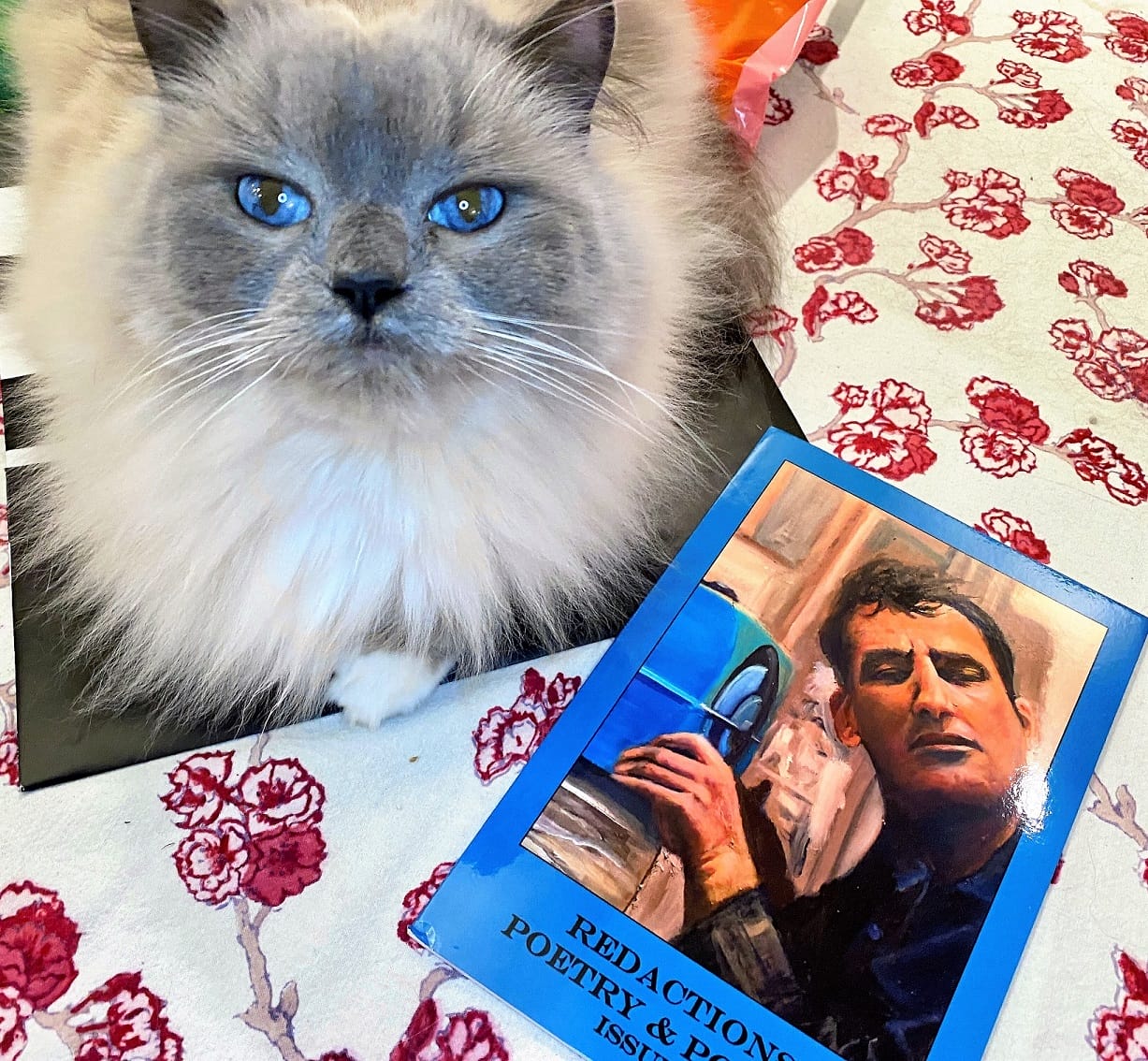
Sylvia with Redactions Issue 25
My Interview with Kelli Agodon in the new Issue of Redactions
Happy to have an interview I did for Redactions Issue 25 with poet, friend, and publisher Kelli Russell Agodon about her new book with Copper Canyon Press, Dialogues with Rising Tides, available online and in the new print issue. Here’s a quick quote:
“JHG: You have an interesting philosophy about the attitude of competition and scarcity in the poetry world. Could you talk a little about that?
KRA: I guess I do have an interesting philosophy in that regards – I believe in the poetry world, there is enough for everyone. I reject the scarcity mindset that the field is only big enough for so many of us and only so many can come to play. That’s nonsense, we can always use another poet. And we don’t have to feel threatened by them, that now there will be one less spot for me to publish my poems…Just because a poet doesn’t win a prize, doesn’t mean that their book isn’t changing someone else’s life this very moment or having a profound effect on someone. I have never believed success can be measured in art – people try to measure it based on American beliefs such as “this book is better because it 1) sold more copies 2) won a prize 3) was published by a certain press 4) was featured in a certain journal or magazine 5) got an excellent review 6) made the author earn X number of dollars” and so on. . . . Who said that was success? Who wrote that definition? That’s not my definition of success – my idea of success isn’t built from opinion and numbers.”
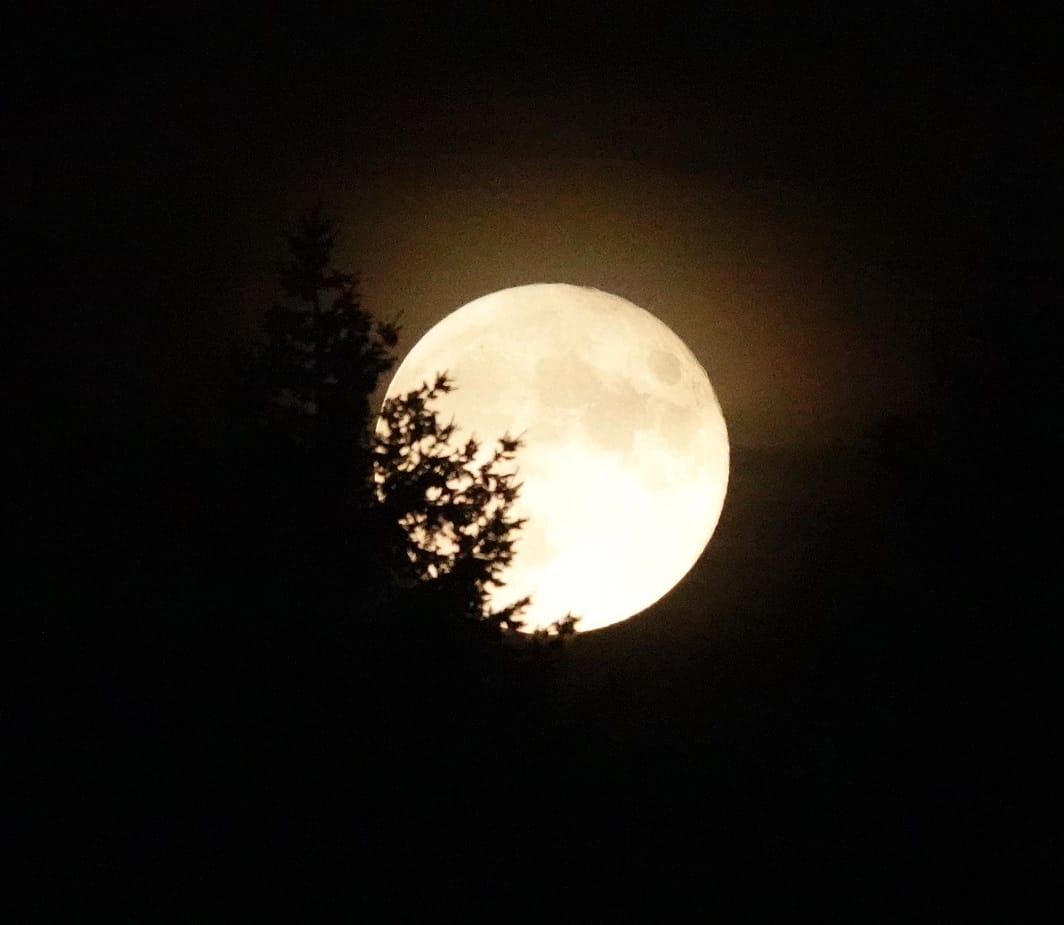
Strawberry Supermoon
Some Scenes of Hummingbirds, Supermoons, and Mount Rainier – and 100 Plus Heat Wave
We’re going to break some heat records in the days coming up, which means probably a lot of people sickened – as a city we’re only 44 percent air-conditioned, so getting up to 109 (!!) on Sunday and Monday is a bid deal here. Let me tell you the many reasons spring and fall are my favorite seasons…I saw as I try to save my flowers from the 102 degree heat today. Even the sunflowers think it’s too much sun!
Since this week has been hot, that means my MS acts up a little more than usual, and I spent more time than usual observing birds and flowers and staying up for the Strawberry Supermoon. I also got a beautiful shot of how clear Mt Rainier was one day. But I haven’t had the energy to do much besides water my garden and take photographs. I’m also anxiously checking my e-mail every night, hoping a note from a publisher will come through on one of the three manuscripts I’m submitting. Not very productive, either. Supermoons always interrupt my sleep and make me anxious. I don’t know why, even though they are beautiful.
-

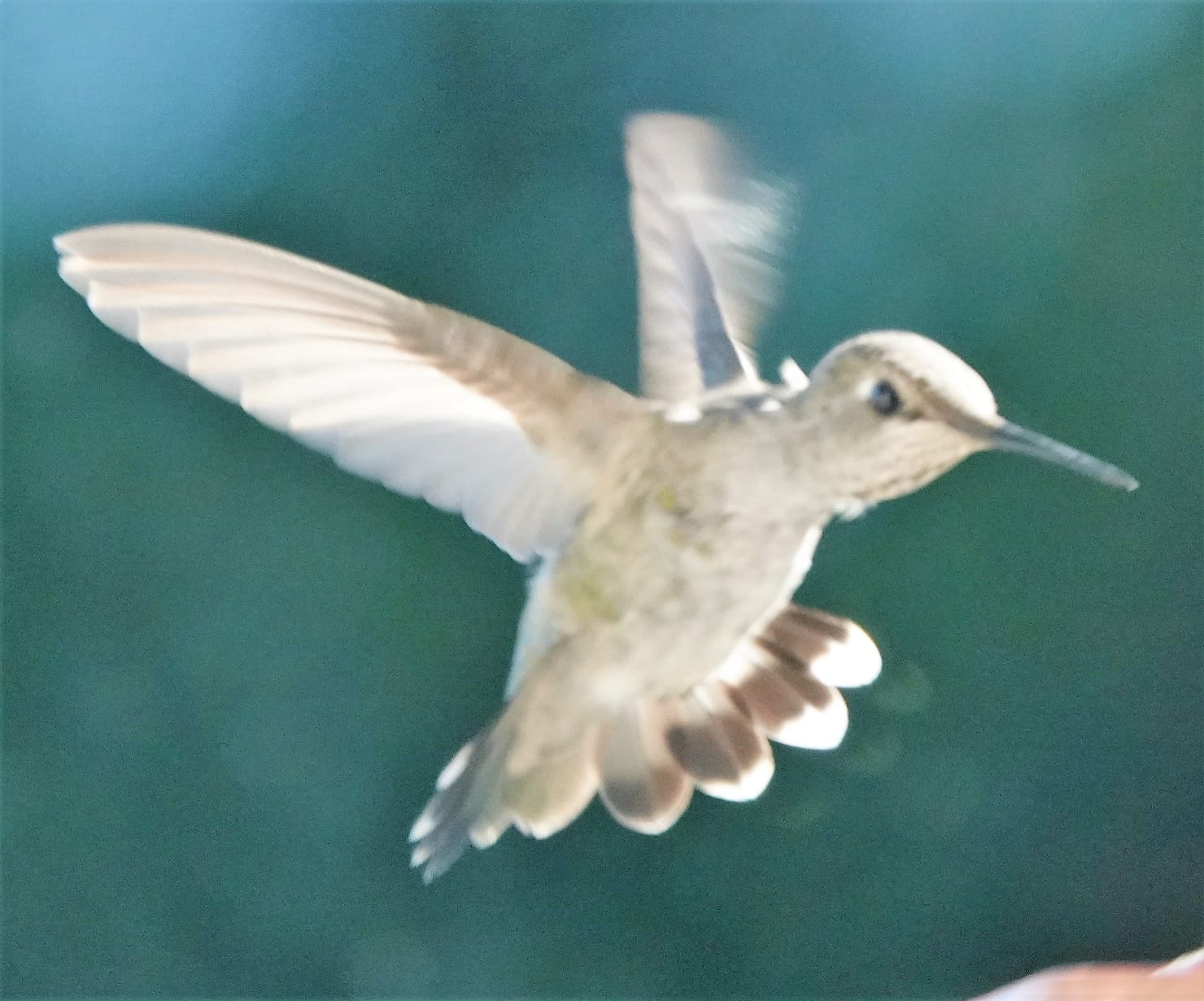
- Hummingbird hovering
-

- Steller’s Jay

-

- Mount Rainier on a clear day

-

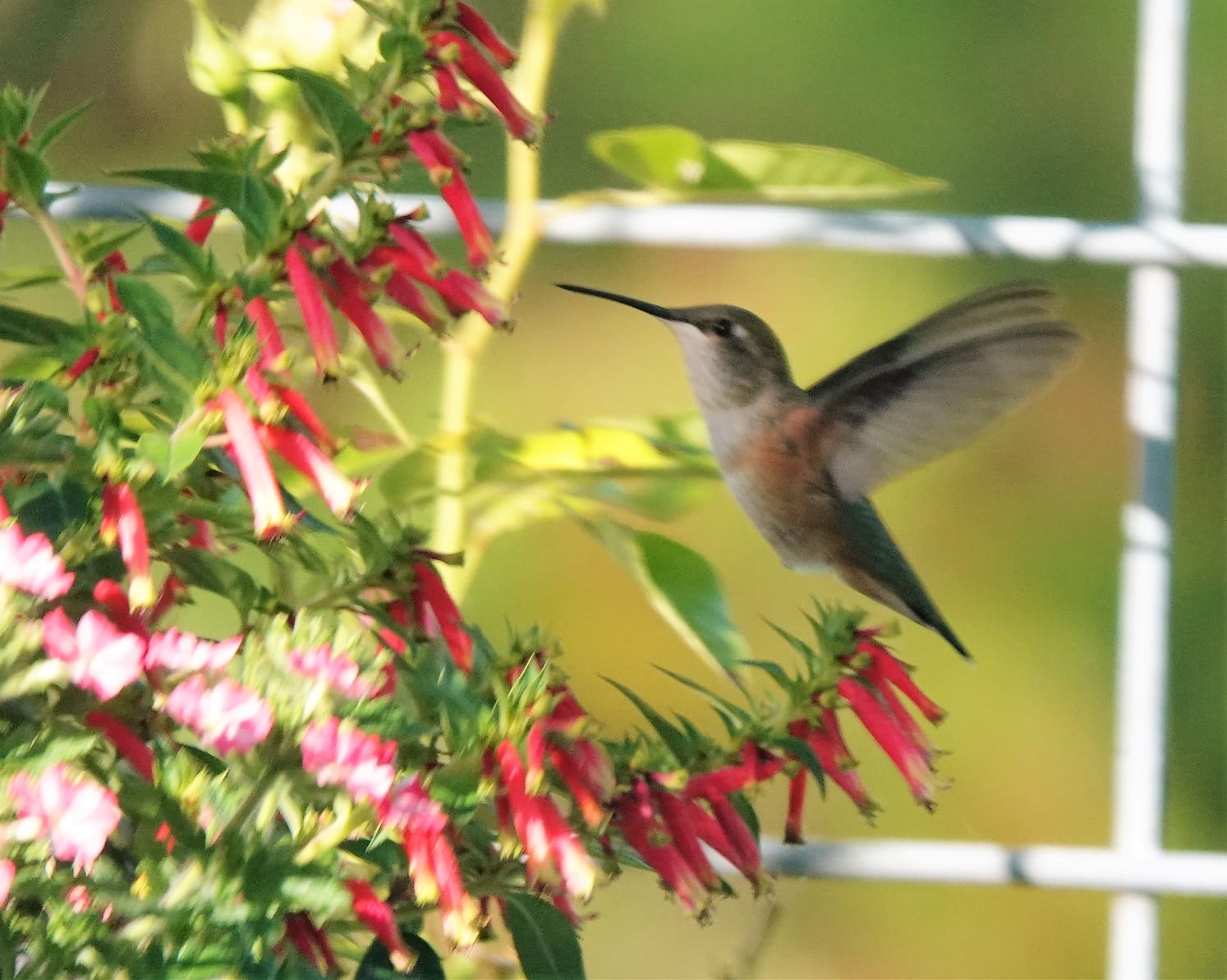
- Hummingird with fuchsia

A Port Townsend Visit, Happy Solstice, and Appreciating Things While the Sun Stands Still
- At June 20, 2021
- By Jeannine Gailey
- In Blog
- 0

Me with Discovery Bay garden
A Port Townsend Visit – Poet Friends, Eagles and Seals, and a Change in Perspective
One of my favorite places to visit in the Pacific Northwest is the little, haunted Victorian town of Port Townsend. I even lived there for a year once. Even though Woodinville is beautiful, every once in a while it’s nice to get away and get a change in perspective – and goodness knows after the year and a half we’ve had, we needed one. So we booked a cabin, packed up, and went during a couple of rainy/sunny days. (Rain/sun is the main kind of weather most of the year in Port Townsend.)
One of the wonderful things about Port Townsend is the ocean and the wildlife – so different from the woods and gardens of our home. We saw at least ten seals, several eagles, and tons of deer, including two little fawns. It was odd to go back and find some things changed – an old boat dock at Fort Warden that otters used to love to run across with their pups was torn down, to our dismay, and a roundabout in the road that was never there, plus some ugly development where there used to only be old growth forest. And an old-growth rose bower at Chetzemoka Park had been cut back almost to the root. We’ve only been absent a year or two, and yet…all these changes.
-

- Fawns in a meadow

-

- Tree Swallow

-

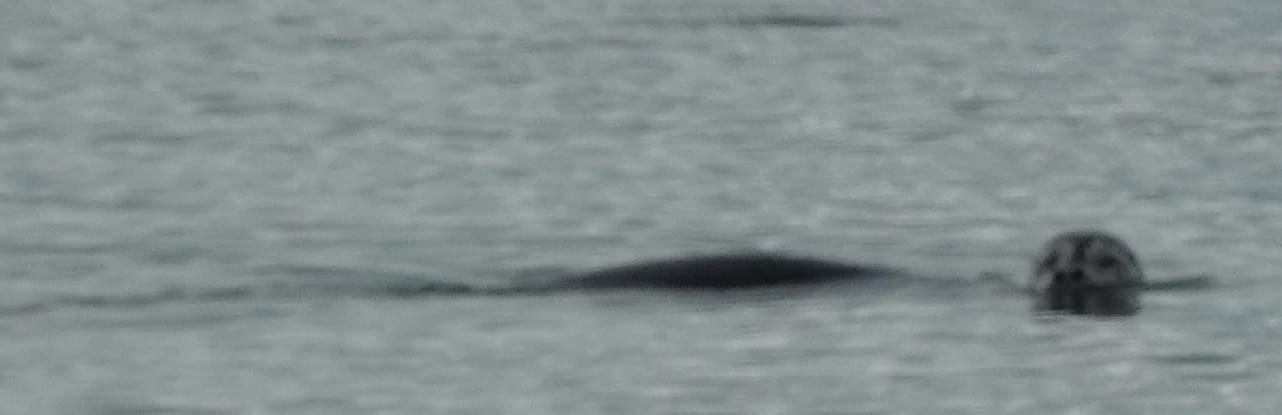
- Seal
-

- Bald Eagle


Red Rhododendrons with sunbeam
Another wonderful thing about Port Townsend is that besides offering beautiful views, fascinating flora and fauna, is that several of my friends (and soon, my little brother) live nearby. So I got to have a spontaneous afternoon coffee visit with poet friend Kelli Russell Agodon. We got to catch up on poetry news, then we hiked around a bit, birdwatched, and got rained on multiple times.
We talked about her latest book from Copper Canyon Press, we talked about my projects-in-progress, and generally I was reminded about the positive way that writer friends can help support our dreams and goals. After a year and a half of mostly staying in touch through phone calls, it is especially nice to be seeing people in person. It made me feel grateful.
-

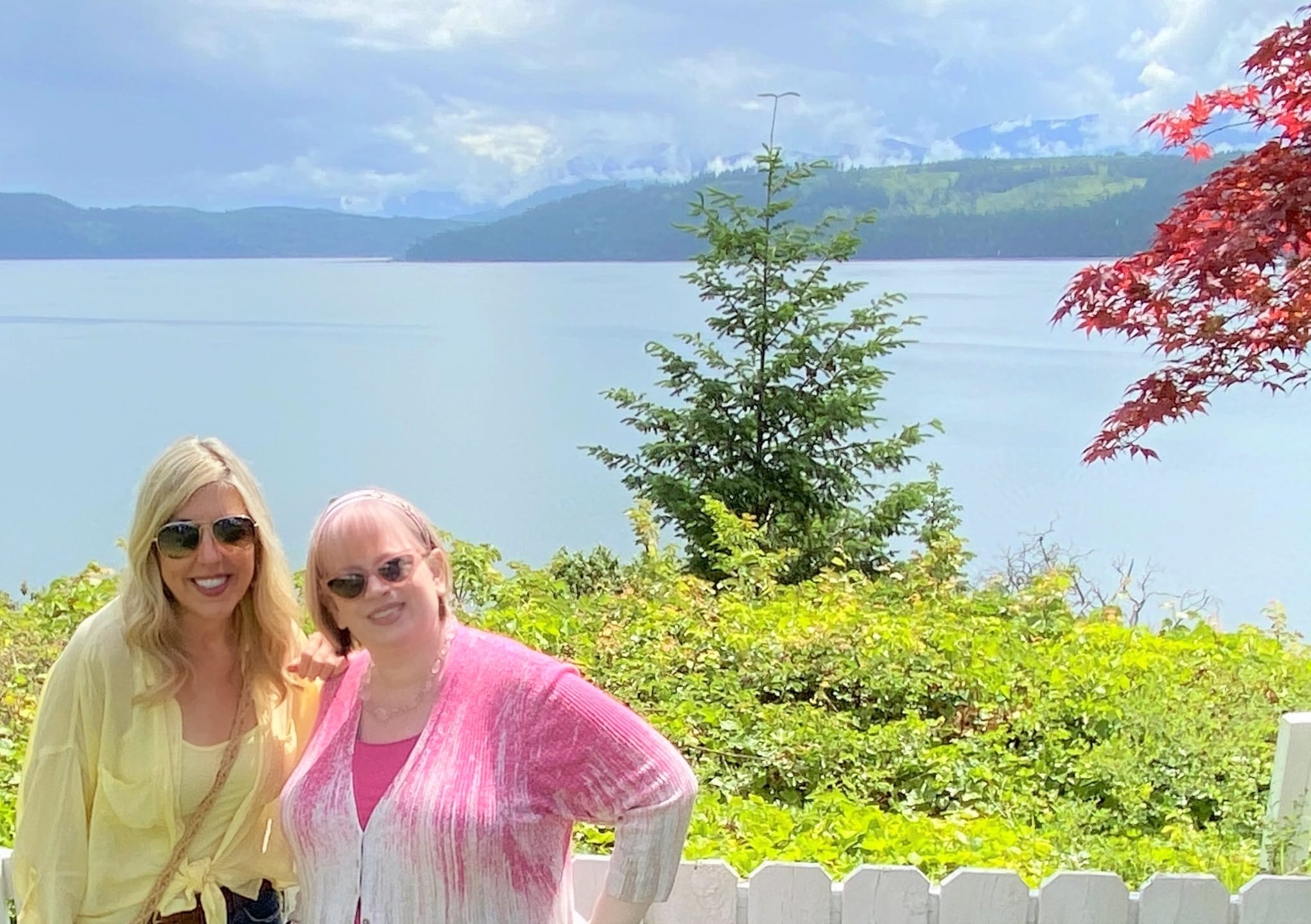
- Kelli and I, with ocean view
-

- Kelli and I in a meadow

-
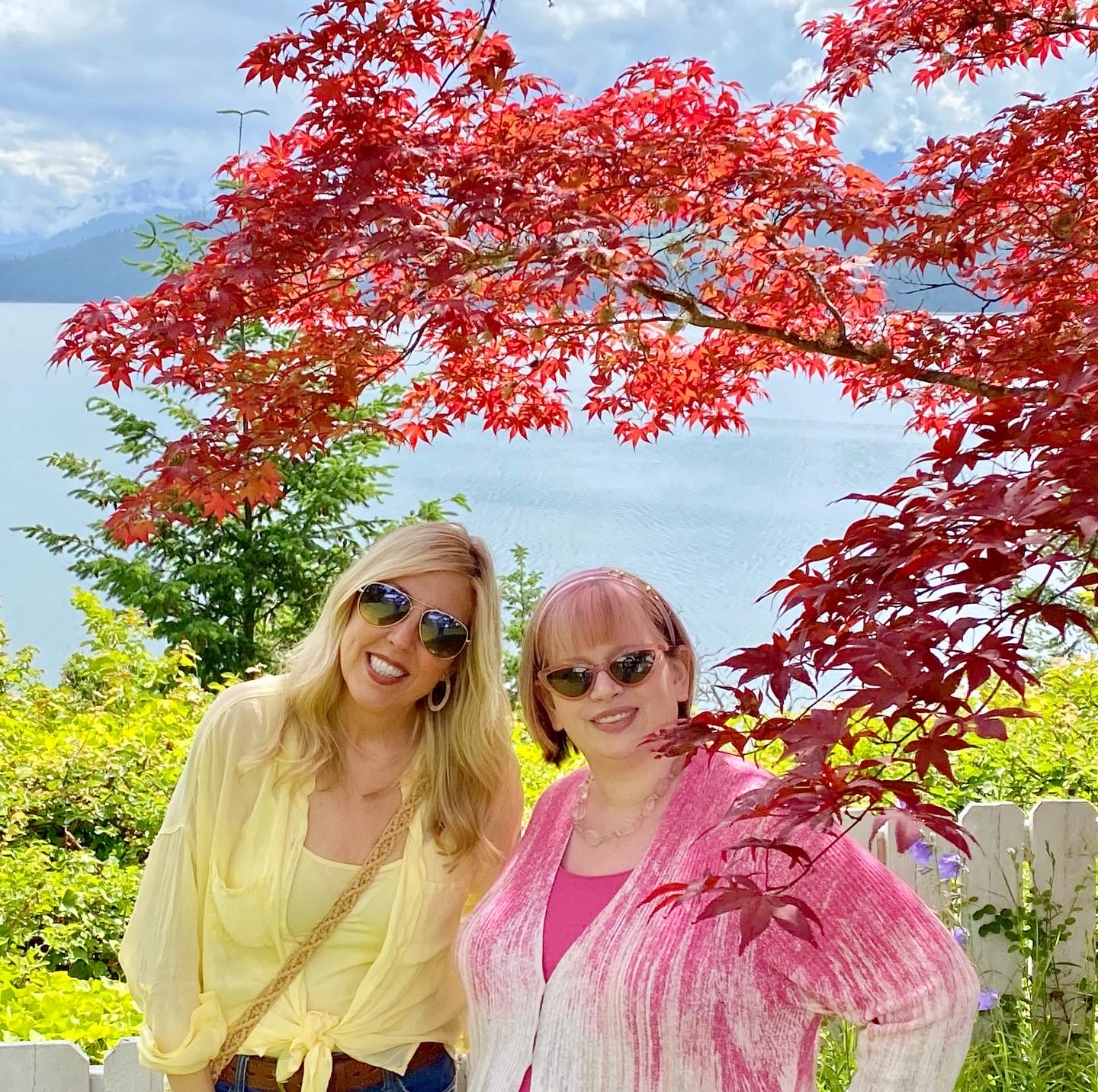
- Kels and Jeannine overlooking Discovery Bay

Glenn and I with ocean overlook
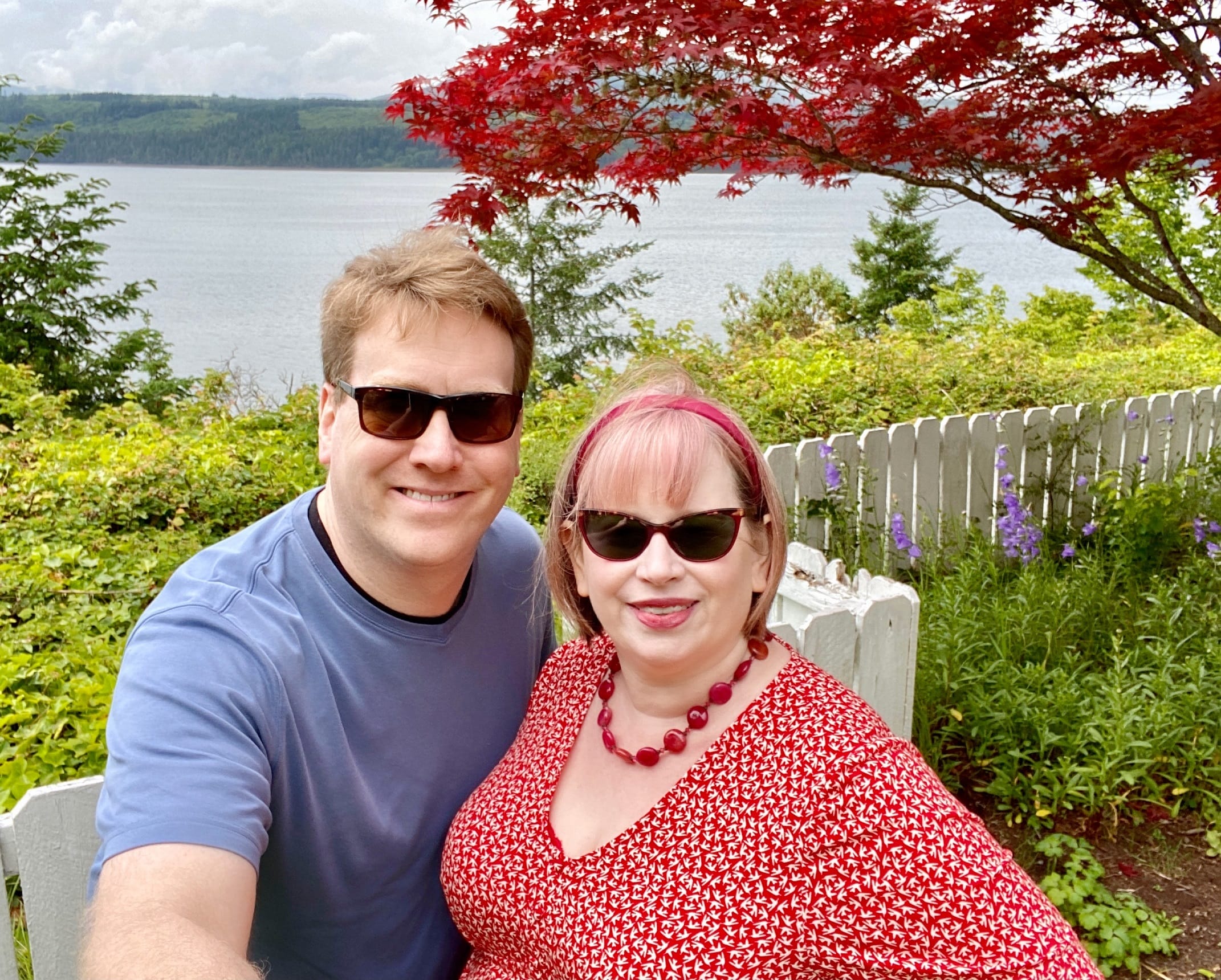
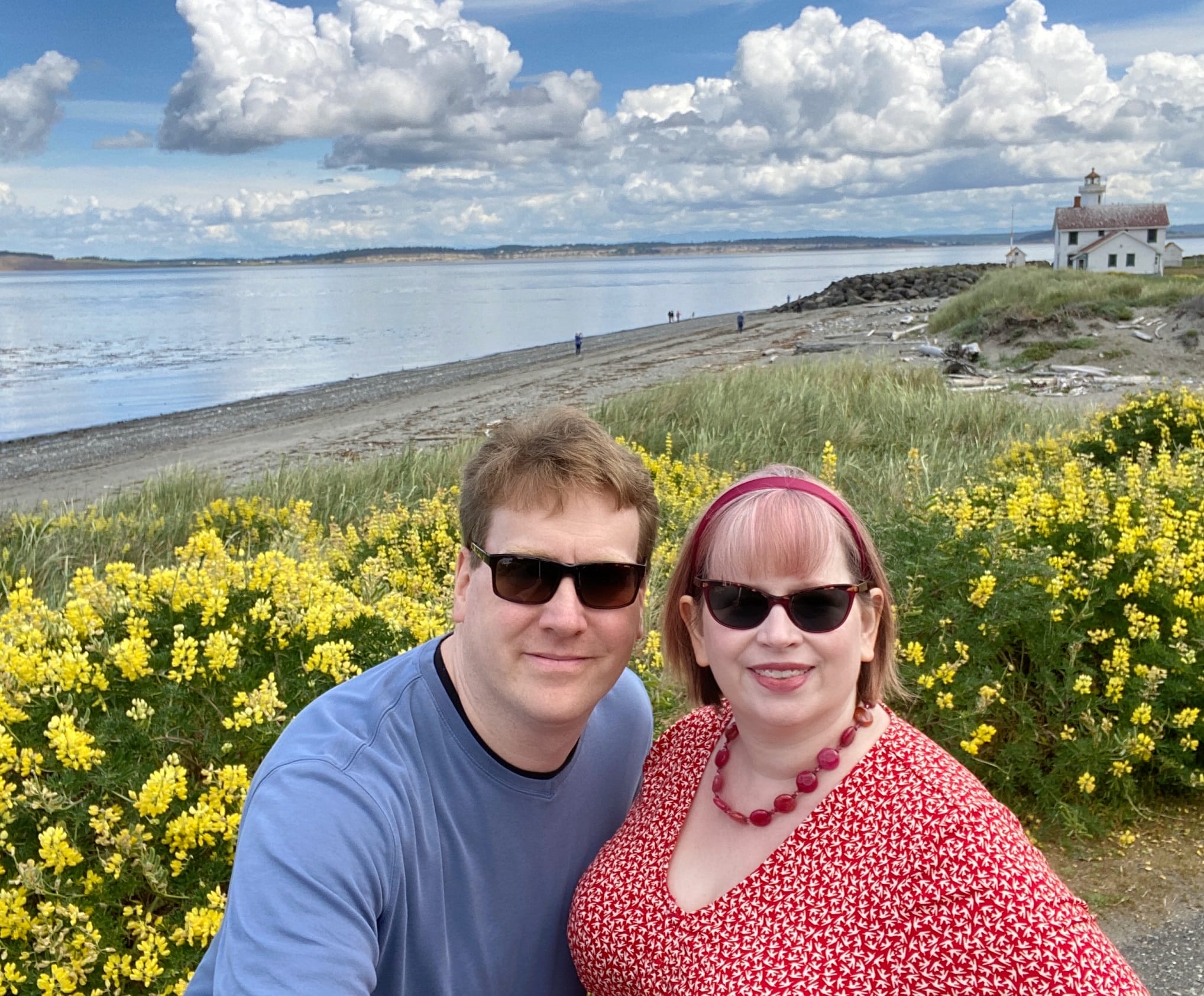
Glenn and I got to visit our favorite spots – Chetzemoka Park, the lighthouse at Fort Warden. We walked on the beach, and were surrounded by walls of yellow lupines, which smelled like honey and salt. We explored around Discovery Bay – the place we stayed had a beautiful overlook among historic cabins. The only thing we skipped were indoor things – no shopping or restaurants this time around, just in case. Visiting Port Townsend was like visiting an old friend – observing things that had closed, or that were still open, or how an old madrone tree had finally disappeared after all the years of clinging to the cliffside. Here’s where Glenn met a coyote on his bike, or where I encountered a white deer. Little things. But it did allow us to appreciate how much the ocean, the trees, just the chorus of frogs so loud at night and birdsong so loud in the morning, can shift perspective. I am always happier when I am close to nature. I don’t have a body that supports most rugged individual sports, but it does allow me, even with MS and all my other nonsense, to get close to seals, and swallows, and deer, and look at the sky overhead, and laugh when it rains on me even when it’s sunny (yes, it’s happening in quite a few of the pictures here.)
-

- Glenn and I overlooking Discovery Bay
-

- Yellow Lupines

-

- Glenn and I with lupines, beach, and lighthouse

Me at Chetzemoka State Park
Happy Solstice!
Well, we have a new holiday – Juneteenth – to celebrate, as well as the Solstice, and Father’s Day. I am so happy to have a President who actually agreed to make Juneteenth a holiday – can’t see that happening with the last guy – a holiday that’s long overdue. As we approach the longest day of the year, as the day lasts long into nighttime, I can appreciate the good things around me even though things aren’t perfect right now. Do I wish I had some things easier, like my health stuff or career stuff? Or that we hadn’t just gone through a year and a half of pandemic (that’s still not over in some parts of the world, or really even all the way here?) Of course. But with the flowers blooming, and feeling thankful for family and friends, and the beauty of the world around me, it’s easy to feel celebratory. Hopeful.
I don’t have all the answers. I’m two years away from fifty, and I’ll be celebrating my 27th year of marriage next month. I’m feeling the years, but also feeling grateful I’ve had so many of them. The sun appears to stop in the sky around the summer solstice, although we know it never really stands still, and neither do we. What does the future hold? Nothing stands still. We just have to stop and appreciate what’s beautiful and good around us, right this minute.
A Stormy Week, Both Weather and Health-Wise; a Few Literary Things to Look Forward To
- At June 13, 2021
- By Jeannine Gailey
- In Blog
- 0
Black-Headed Grosbeak
A Stormy Week, Weather and Health-Wise
It’s June, or as some on the West Coast say, June-uary, and we’ve had a bizarre week of low and high pressure systems, storms, sideways rain, hail, cold, and wind. On top of this, I had one of my rare migraines with aura that took me out for an entire “day in bed in darkness” followed by a few days of a stomach bug. Fun, right? So, the weather and my health have been equally gloom-inducing. But strangely I have not been feeling as down about my writing life…see below for a few reasons I have some cheer in that department.

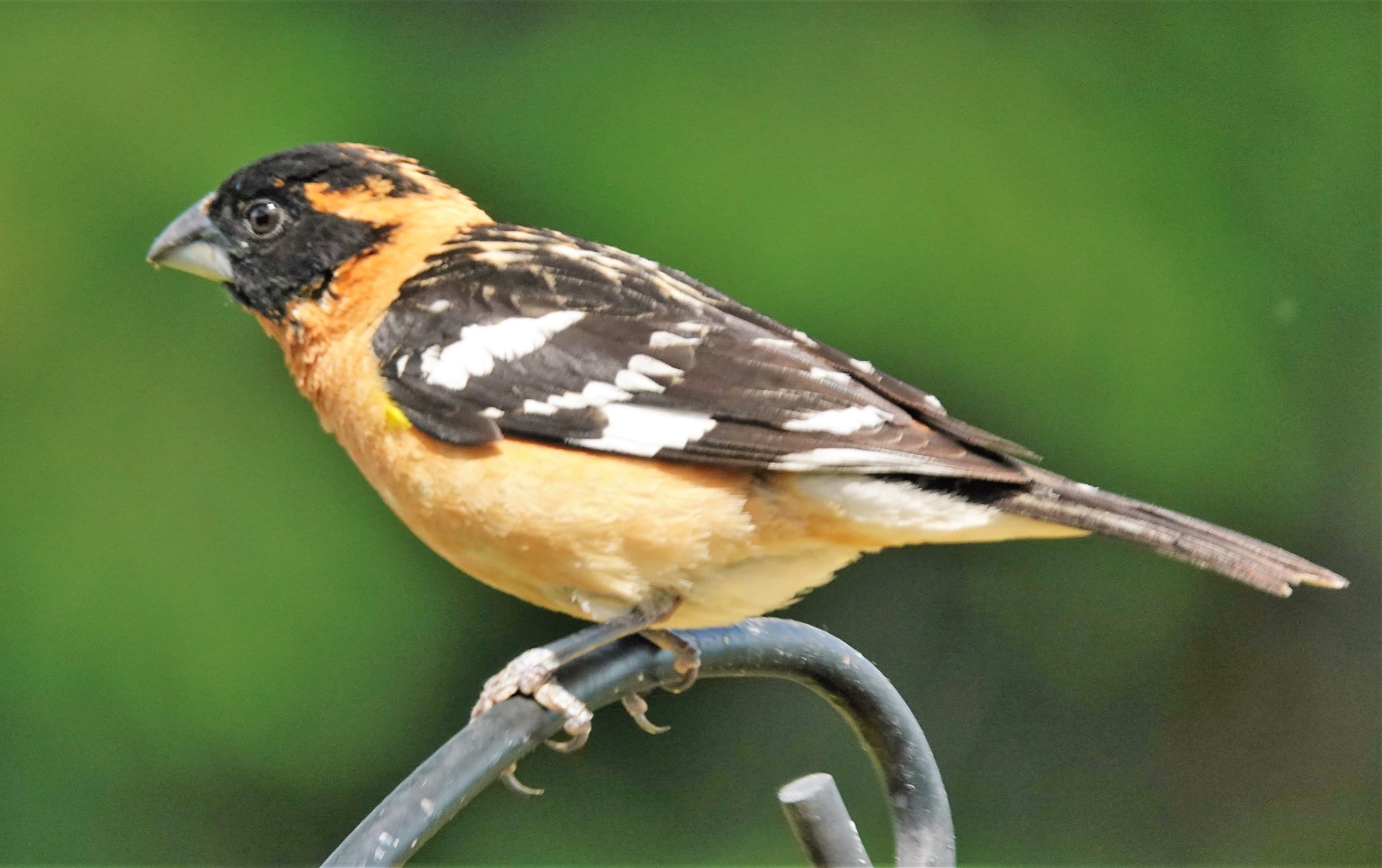
Female black-headed grosbeak
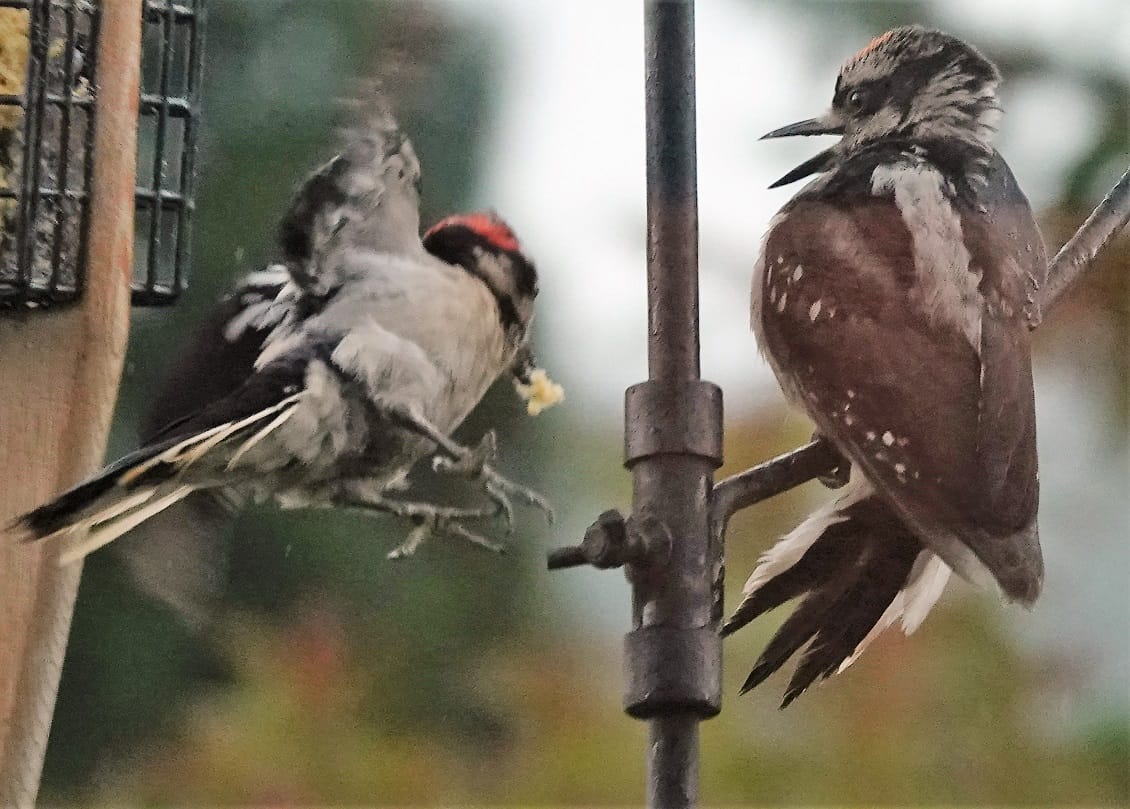
So I have not gotten as much done as I was hoping, besides which, it’s not feeling very summery. On the other hand, lots of opportunity to photograph by birds when my headache wasn’t too bad, so I have pictures of Hairy Woodpecker mothers feeding their babies, all kinds of hummingbirds, and black-headed grosbeaks.
-

- Mother Woodpecker feeding baby

-

- mother woodpecker with outstretched wings

-
- mother and baby in flight

Me with sequins and typewriter. This is how I always dress to write!
A Few Literary Things to Look Forward To
But I do have a few literary things to look forward to. I’m working on a speculative poetry class I’ll be teaching online in July. I applied to Breadloaf for the first time since I was a young writer and I had just quit my job to try and be a real writer (but was too poor to afford to go), so I’m going to the all-virtual Breadloaf in August, which I’m pretty excited about – because having this event virtually allows someone like me, with disabilities and chronic illness, to attend. I’m an extrovert who can’t travel and go to as many literary things as she would like, so this is something exciting for me. Maybe conferences will start having a virtual component so those of us who can’t travel easily can still enjoy the cool opportunities, readings and classes – I mean, this year proved we could do it, right?
Then, I’m going to my first residency in a very long time on San Juan Island, one of my favorite places, in September for ten days, where I’m hoping to get to serious work on a new poetry manuscript. There will be foxes and otters and deer and seals and bioluminescent life forms right on the water to help me write, and maybe, if we’re lucky, dolphins and whales. I haven’t been to the San Juan islands in six years, even though it’s one of my favorite places to visit in the state, so I’m really looking forward to this (and crossing my fingers that my body is cooperating with me health-wise that week, and no wildfires.) I’m also feeling a bit more positive about finding a publisher for my book manuscripts. I’m thinking of starting a newsletter, too, pre-book, just to start up another way to outreach. Anyway, hope your June-uary is going as well as possible!
-

- Hummingbird perched on pink salvia

-

- Perched Anna’s with rose

-

- Rufous hummingbird with cuphea
First Butterflies, Sunny Days and Speculative Poetry Picks, Broken Teeth and Meditations on Melancholy
- At June 06, 2021
- By Jeannine Gailey
- In Blog
- 7

First Swallowtail butterfly of the season, on lilacs
First Butterflies and Sunny Days
I saw my first Swallowtail butterfly this week, and that is a sure sign summer in near. Although I mistrust a string of sunny says, we’ve been trying to make the most of them, getting out to see the early summer flowers and enjoying gardening late with the longer light (til 8 PM now!) Sun can slow me down, as heat makes my MS symptoms act up, and I broke a tooth again this week requiring an emergency dentist trip. So that’s the downside of this week for me.
As people get more and more vaccinated in my area, you see happier people, friendlier faces. I stepped into an indoor farm stand (with a mask) for the first time since the pandemic – so much fun to see the produce in person.
I also am so proud of my planter-based culinary herb garden I started last year – with parsley, chives, pineapple sage, chocolate mint, mojito mint, tarragon, and a mini-rose for no reason. The hummingbirds and bumblebees love sage and chive flowers. If you need to garden but have accessibility problems with diggings, bending, and weeding, it’s a perfect container project. Highly recommend! This planter is sectioned so the herbs don’t take each other over, and there are planters (more expensive) that are even self-watering. But I like watering, pinching things back and smelling each herb close up. In my real-life-sized larger garden, roses and peonies are blooming, sugar snap peas are ready for harvest, and strawberries have baby strawberries on them now.
-

- My culinary herb planter garden

-

- pink rose closeup

-
- Sunlit roses


Me with newly extra-pink hair in Kirkland
Speculative Poetry Picks
I also had the honor of helping curate a Speculative Poetry page for our Seattle poetry-only bookstore, Open Books.
Here’s a link if you want some of my favorite books of speculative verse!
It includes everyone from stellar popular prize-winners like Tracy K. Smith to robot-loving poet/scholars like Margaret Rhee, and I tried to find all kinds of speculative poetry – sci fi, scientific poetry, futurism, pop culture.
Besides the books listed at that link, I highly recommend Sally Rosen Kindred’s upcoming Where the Wolf, from Diode Editions, Celia Lisset Alvarez’s Multiverses, Jason Mott’s Hide Behind Me (hard to find now – he’s just putting out a tremendous new book taking on race, celebrity, and a book tour haunted by ghosts called “A Hell of a Book”) and Jason McCall’s Dear Hero (also out of print, but worth tracking down.)

Glenn and I with Lake Washington and roses
Meditations on Melancholy
So, despite these smiling pictures, I’ve been struggling with melancholy lately. Something like breaking a tooth (the fifth one since the pandemic started) or waking up with MS-related joint pain and fatigue, or another rejection of my manuscript-in-progress, can kick off a cascade of catastrophic thinking. Why do I send out my poetry at all? Why do I work so hard on my health (eating carefully, meditating, physical therapy, etc) only to face setbacks I can’t do anything about fixing? Is aging just one health disaster after another? (The answer, children, is yes! No, no, I’m sorry. I’m sure that’s not true. For some lucky people.)
One way I comforted myself about my broken tooth was to think about Emily Dickinson, who probably had very little help from dental technology when she inevitable broke her teeth, or the way her vision problems caused her headaches (and she had to write longhand via candlelight.) My paternal grandmother had to have all her teeth pulled by the time she was 40. Another friend my age told me she’d had ten – ten, not two – root canals. I may be more unique in that I have autoimmune problems that make dental work complicated, as well as allergies to pretty much all painkillers and Novocain, but lots of people have battles with their teeth, which is somewhat comforting.
As far as my Multiple Sclerosis, I’m lucky it doesn’t give me more trouble than it does, so when I wake up with nausea and vertigo (telltale signs I need to slow down and take care of myself) or I’m so fatigued I can barely walk across the room, I try not to panic, and to be extra careful to stay out of the hottest part of the day and take my vitamins and just generally pay attention to my body’s signals. I’m due for another brain MRI soon. Do I want to do this? It makes me really anxious because I’m claustrophobic, and of course the possibility of the bad news of progression of damage to my brain and spine. I’m also facing the question – now that I’m vaccinated – of starting a new disease-modifying medication. Sigh.
And in my writing life, it’s been a season of rejection, rejection, rejection. Yes, I try to comfort myself that I’ve been lucky enough to have five poetry books published, or that I’ve gotten into some of my dream journals, or that I have wonderful supportive poet friends to help celebrate the wins and mourn the losses. But sometimes I wonder if the rewards are worth the effort. So, if one day I just stopped writing or sending out poetry, it’s not like anyone would demand it or clamor for my next book. To be honest, I also wonder about the effort of keeping this blog up as well – it does take time and energy, and I’m not sure that many people even read it (thanks, those that read and comment though, of course!)
I don’t want you to think it’s all gloom and doom in my head; it’s not. And I certainly recognize that many people, including some of my friends and family, have had it much worse than me lately. Every poet probably struggles with rejection, and we do tend to be prone to melancholy; it’s been a hard year for everyone; I recognize that catastrophic feelings don’t help anything. I think it would be nice if I could feel like I was able to do something useful again in the world, get paid for my work, or at least feel like I was helping others. I’m writing an essay for an anthology on speculative work and I’ll be offering an online class on speculative poetry soon (of course I’ll post details when it’s closer.) So those projects are good. And I really am thinking about moving forward on acquiring a place to use as a writer’s retreat – La Conner, WA or Port Townsend, WA maybe? So I’m trying to see the good things coming. I promise.
Almost Summer – Memorial Day Weekend, Supermoons, and Dreaming Some Poetry Dreams
- At May 30, 2021
- By Jeannine Gailey
- In Blog
- 1

Pink Peony – Signs of Summer
Signs of Summer – Memorial Day Weekend
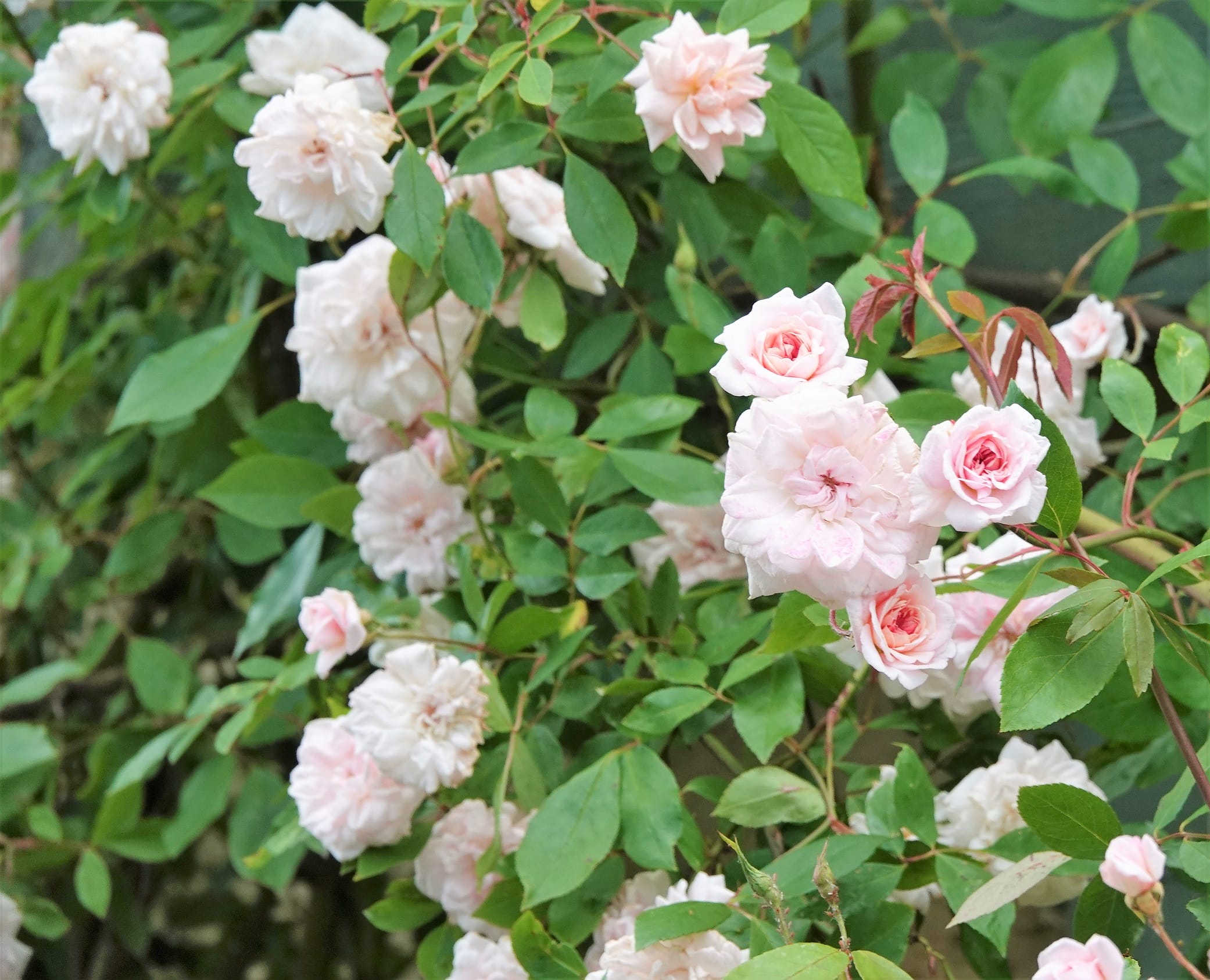
Happy Sunday, readers. Are you seeing signs of summer yet? Here, after a fairly rainy and cold May, we are finally seeing and feeling a little summertime vibe. Like the blooming – peonies, roses, and lavender – all definitely summertime flowers here – and the baby birds of all sorts. It was a lovely 72 degree sunny day yesterday, one of those impossibly blue-sky, happy almost-summer days we get here, and I took a walk on the Sammamish trail, observed tons of baby things, listened to the wind in the trees, and the air smelled sweet – not yet full of wildfire smoke (hopefully we’ll have less this year) and there’s a sense of happiness and buoyancy all around.
The end of the pandemic is not here yet, but it feels close. I can tell you I feel more optimistic this May than I did last May – with more knowledge, vaccines, monoclonal antibodies, and hopefully some good antiviral meds on the way. Now they’re saying immunity after being ill with covid-19 lasts at least a year. Anyway, we have a reason to be optimistic again. Not that I’m off to ride a crowded subway or sit in a movie theater yet, but a trip to the bookstore again (even a poetry reading?) seems within the realm of the possible.
-

- Climbing pink roses
-

- Early Lavender

-

- Merganser with Merganslings

Flower Supermoons, Eclipses, and Feeling Restless
This week we also had a lunar eclipse of the Flower Supermoon. I also get weird around Supermoons – I sleep poorly, I’m moody and restless. Am I the only one this happens to? It’s also this time of year – the changing weather (fifty and rain one day, eighty and sunny the next) that throws me off.
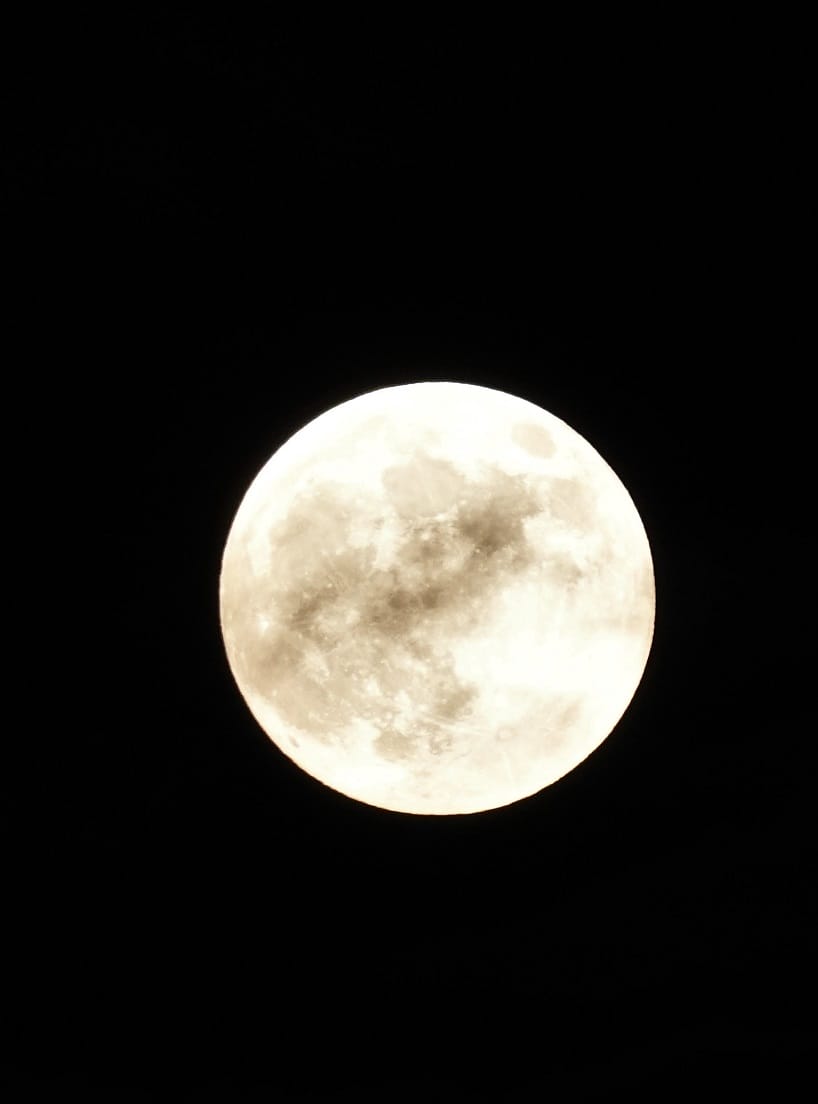
Flower Supermoon, pre-eclipse
Supermoons also make me think about the future, for some reason. I always have weird vivid dreams – this week, among others, I had a poetry dream where a person was helping me sort one of my poetry manuscripts with blue drawers along a wall, and another where a man told me “No one wants to hear from a woman over 35.” (I mean, that seems like it is true in the poetry world, sometimes, doesn’t it? Or in the whole world? Women in my age group (late forties) seem to be mostly ignored, when we are in major energy mode in terms of knowing who we are, what we want, when we are gaining in inner powers.) Anyway, I have been feeling like I’ve been hearing an awful lot of “no” from the literary world and started thinking about what I might be able to do about that. I know I can’t just “will” good things to happen, but sometimes it seems like forward motion comes from a kind of crisis.
Which leads me to…

Towhee with pink flower
Poetry Dreaming
So, last week I talked about discouragement from the whole rejection-cycle of being a poet. This week I’m going to talk about poetry dreams. The sort you’ve thought about for a while and think – now may be the time to take steps towards making them a reality. You know, I’ve been sending out resumes for jobs in the literary world (this is a big secret) but it got me thinking about what kind of work I could start on my own. I’ve thought a long time about opening up my own press, and lately I’ve gotten to start thinking about Virginia Woolf – the way she cultivated her own circle of talented artists, writers, and critics, and invited them to her home because her health didn’t do well when she was away. I thought about maybe investing in a little writer’s retreat cabin in a resort area that I could use, but could also rent out to friends (writers and artists), and maybe even running a little writer’s retreat of my own. I think that would be within the range of things I could do without endangering my health, especially if I had an accessible place to host from. What do you guys think?
The main thing keeping me from starting a press in the knowledge that while I have some gifts that are good for running a press – enthusiasm for getting underrepresented voices out into the world, a great reader (and pretty good editor, if I do say so myself), PR and marketing know-how, a pretty good idea of how to run a business – my worry is that I recognize I don’t really have a great mind for detail (even worse since the MS). I wonder if I could get a partner in the press who was great at detail-work. I know that the caveat of a one-or-two person press is that if, for instance, one person’s health fails (which has happened at two of my own publishers) then the press is gone. Thus my hesitance to “go for it.” (Well, that and paperwork – one of my least favorite things in life.)

Goldfinch with rose bush
So the kinds of jobs I’ve been applying for would be doing marketing and PR for presses – or even acquisition editor, a job I’ve had before in my previous life at Microsoft. While it would be fun to be part of a team in that case, would it be more fun if I had more ownership?
So, even if I don’t have the money, partners, or plans completely available right now, there’s no harm in putting these things out into the universe, is there? Please chime in in the comments if you have any thoughts, encouragements, or ideas about what I’ve posted here….
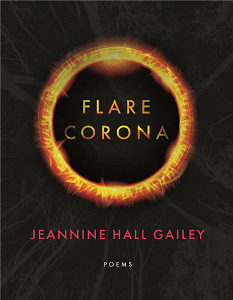
 Jeannine Hall Gailey served as the second Poet Laureate of Redmond, Washington and the author of Becoming the Villainess, She Returns to the Floating World, Unexplained Fevers, The Robot Scientist’s Daughter, and winner of the Moon City Press Book Prize and SFPA’s Elgin Award, Field Guide to the End of the World. Her latest, Flare, Corona from BOA Editions, was a finalist for the Washington State Book Award. She’s also the author of PR for Poets, a Guidebook to Publicity and Marketing. Her work has been featured on NPR’s The Writer’s Almanac, Verse Daily and The Year’s Best Fantasy and Horror. Her poems have appeared in The American Poetry Review, Poetry, and JAMA.