Changing Times (and Seasons), New Poems in the Fairy Tale Review, Science Fiction Libraries, and Daring to Hope
- At March 13, 2021
- By Jeannine Gailey
- In Blog
 0
0


First Plum Blossoms
Changing Times (and Seasons)
Well, we’ve now had a few sunny dry days and already our late spring seems to be starting to arrive; I snapped pics of the very first cherry and plum blossoms in our neighborhood. I was out sick last week after a mammoth five-tooth-repair dental appointment (these things knock me out for about a week, typically – I blame my weak immune system) but this week I notice I am moving slower, going to sleep earlier, and craving more vegetables (especially in soups – potato and fennel, snap pea and asparagus) and our time change happens tonight at 2 AM, which can affect a lot of people different ways.
In Seattle, I’m usually happy for the extra hour of light, which is desperately needed. I purposefully took some walks around town this week, trying to get some exposure to the sun, fresh, air, birdsong, etc. This morning we picked out some herbs to start in the garden and Glenn will do the hard work of getting them in the ground. I’ve been practicing my Japanese (still very beginner level) and guitar (same, I’m afraid.) I snapped some pictures of birds as well as flowers.

Sylvia poses with Fairy Tale Review’s Gold issue
New Poems in Fairy Tale Review
I had a little good news in the mailbox this week. The first was the Gold issue of Fairy Tale Review, a journal I have been trying to get into for years, maybe since it was first created, and this issue (yay!) has two of my poems in it. The theme of the poems was Anne Sexton’s Transformations.
I’ve included them below in case you want to take a sneak peek at them.

Two poems from the Gold issue of Fairy Tale Review
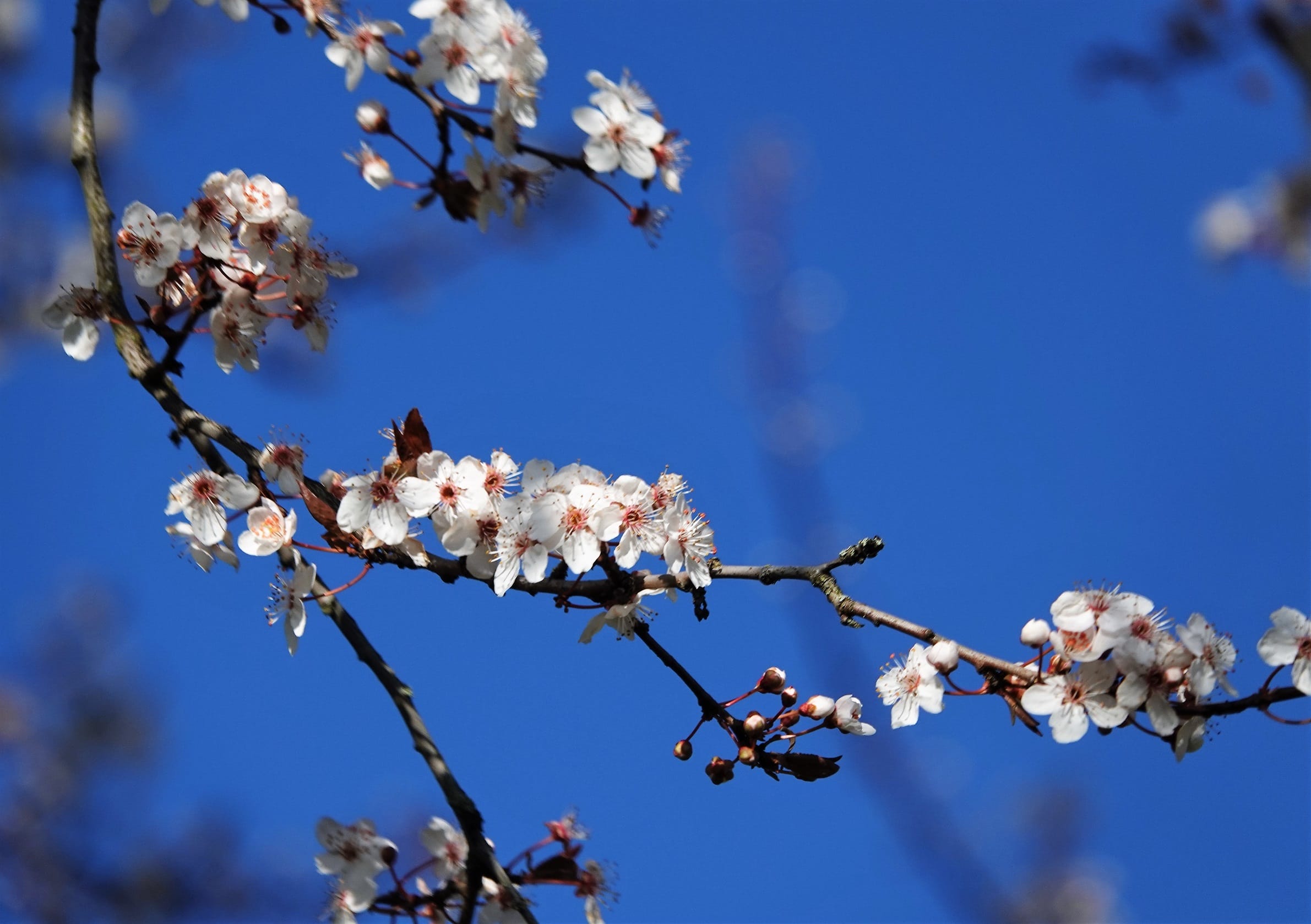
First cherry blossoms
Science Fiction Library Feature
I also received a lovely booklet from Jeremy Brett, a librarian and archivist at the Science Fiction Library at Texas A & M University. This booklet featured a bunch of books, but my book The Robot Scientist’s Daughter was featured in “When Science Goes Awry” with a nice write-up. I appreciate it, guys!


If you ever get a chance to visit Texas A & M, you should seek out the Science Fiction library, which includes wonderful archives of terrific science fiction writers (including me!) It’s on my list of trips to take!

Steller’s Jay in planter
Daring to Hope
So, are we there yet? Chronically ill and disabled people in Washington State are STILL not eligible for the vaccination yet, but I’m hoping the time is drawing closer (and I’m twittering about it to my governor as much as possible.) With the vaccine being an important step to being able to live a normal life again for both me and Glenn – we are starting to think about things we might be able to do again without worry – shopping at a grocery store or picking up flowers, browsing in a bookstore or going for my MRIs (among other doctor and dentist appointments) without fear of dying as a result. I have been in a stew of anxiety since the year began – wondering and waiting for the vaccine to be available – but now I’m starting to hope I’ll be vaccinated by my birthday at the end of April, that I’ll be able to visit Skagit Valley’s tulip gardens while they’re still in bloom, that I might be able to see my friends and family in person and even hug them (?) I’d like to visit Snoqualmie Falls in spring, too – I love the woods – and maybe even an exotic day trip out to Port Townsend.
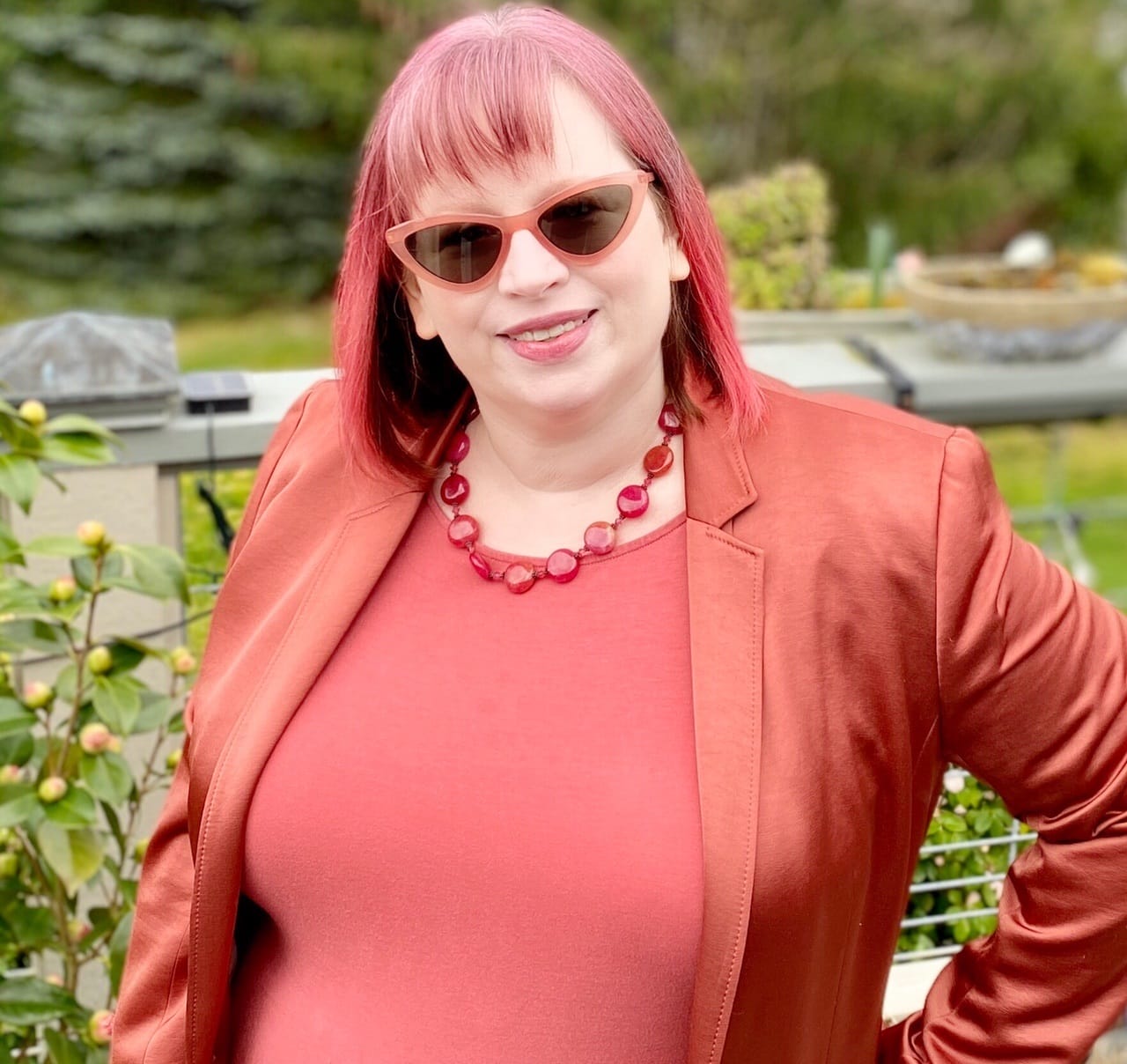
Me with new fixed teeth
And, I have to admit, as an asthmatic, I am really hoping they do away with mask requirements for vaccinated folks (at least outdoors,) because I didn’t want to complain publicly because I know we had to wear them for safety, but I struggle to breathe in almost any kind of mask for any amount of time. But I will probably still wear one in dentist and doctor’s offices, when I have to go into the hospital, for medical testing, and certainly in any kind of mass transit, for the foreseeable future. With a primary immune deficiency, I realize there are more germs than just coronavirus out there, and I could have been doing a better job protecting myself – mask, gloves, changing shoes and clothes when I get in from a crowded setting or travel. This pandemic has made me much more aware of my vulnerabilities – and not just to coronavirus. I want to spend as little time in the hospital as possible for the rest of my life, and these new practices might help.
During this last two weeks, I also had some pretty crushing rejections – including a press that kept my book for a year (ouch) – and am hoping that a good press will give one or both of my books a chance very soon. I want to be able to focus on something positive as we wait out the rest of this painful year (plus) of plague.
So what about you? What are you most looking forward to?

Almost Spring, Tired of Resilience, and Contemplating Ten Years Ago
- At February 28, 2021
- By Jeannine Gailey
- In Blog
- 0
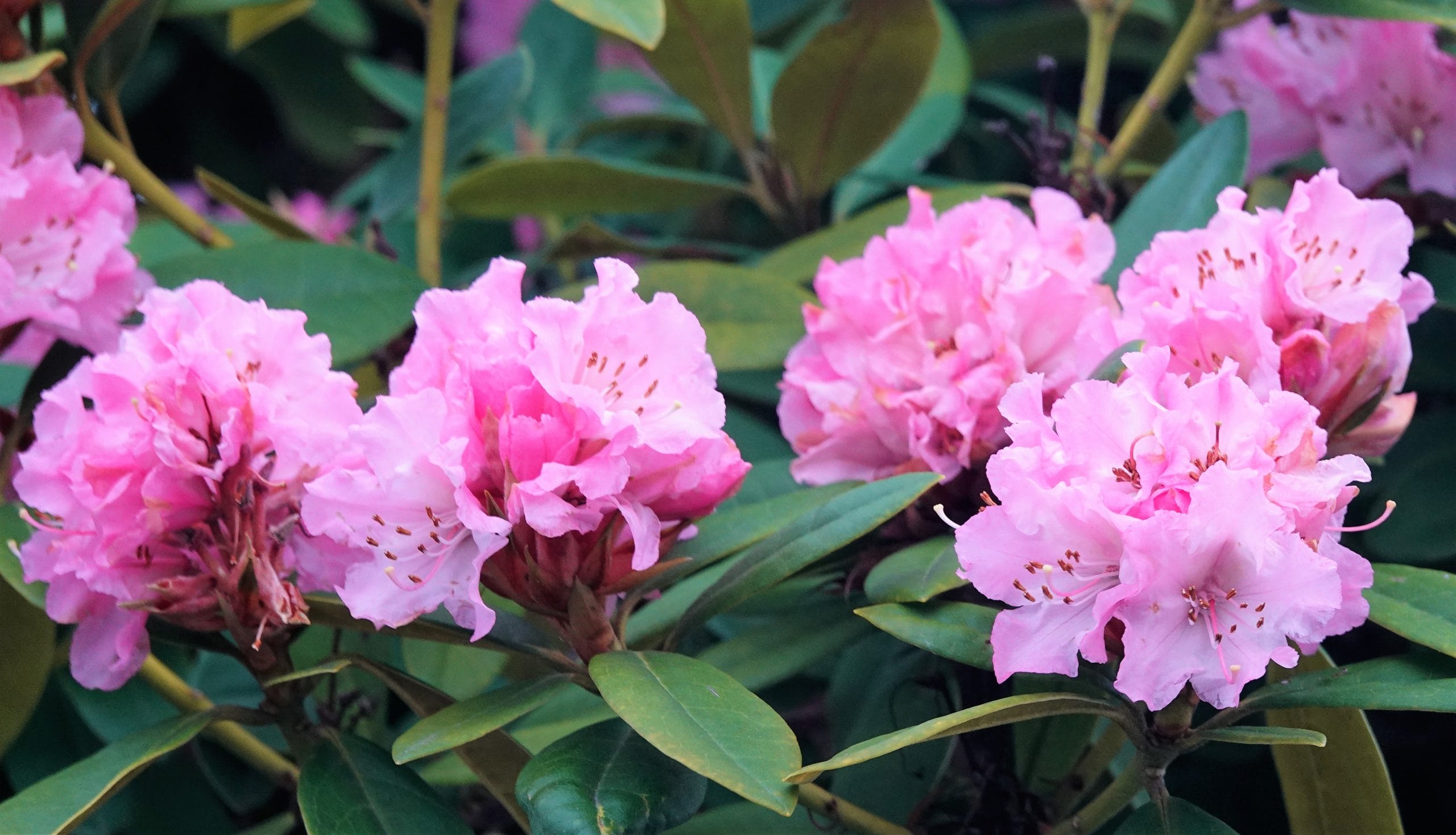
Pink rhododendrons
Almost Spring
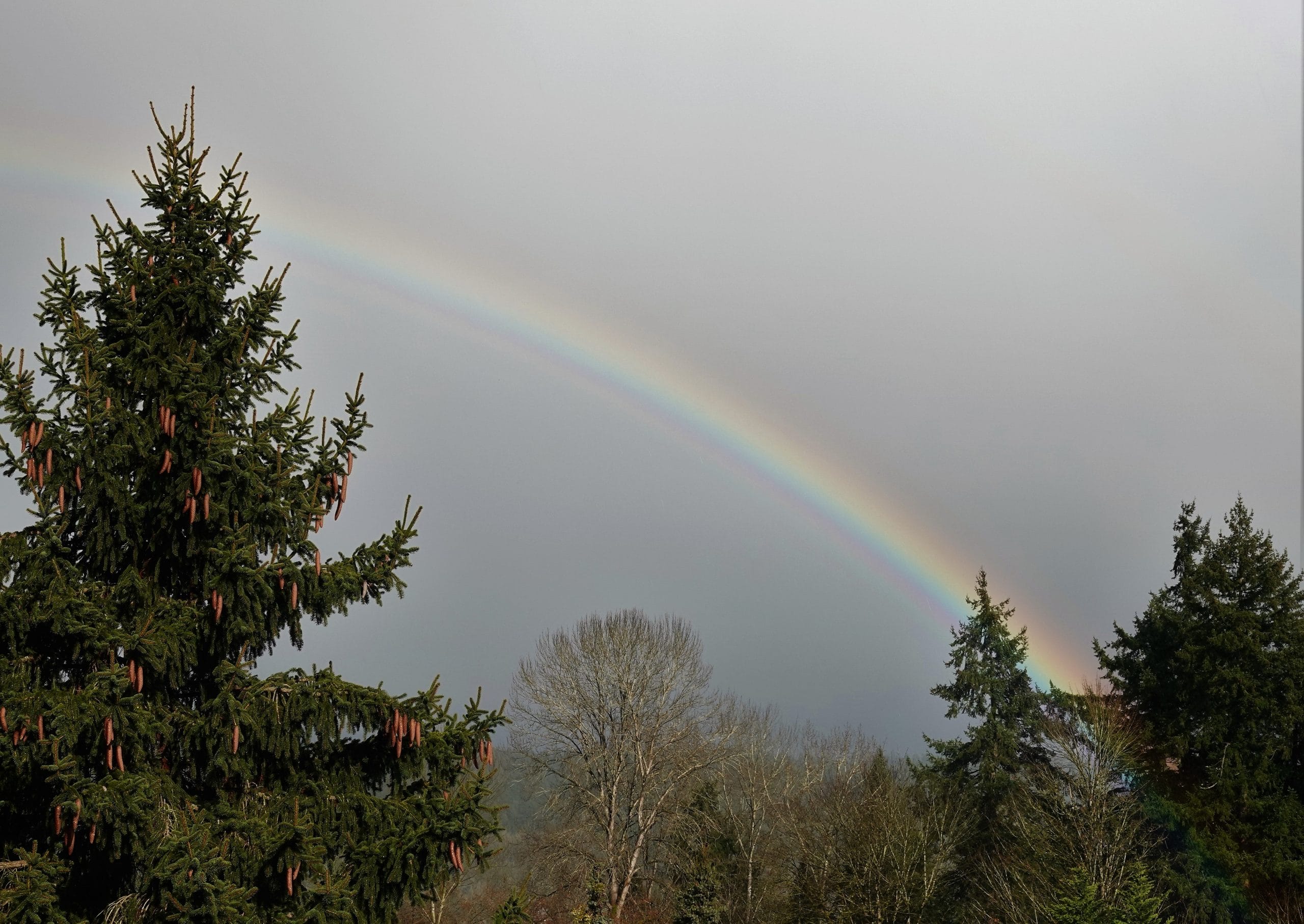
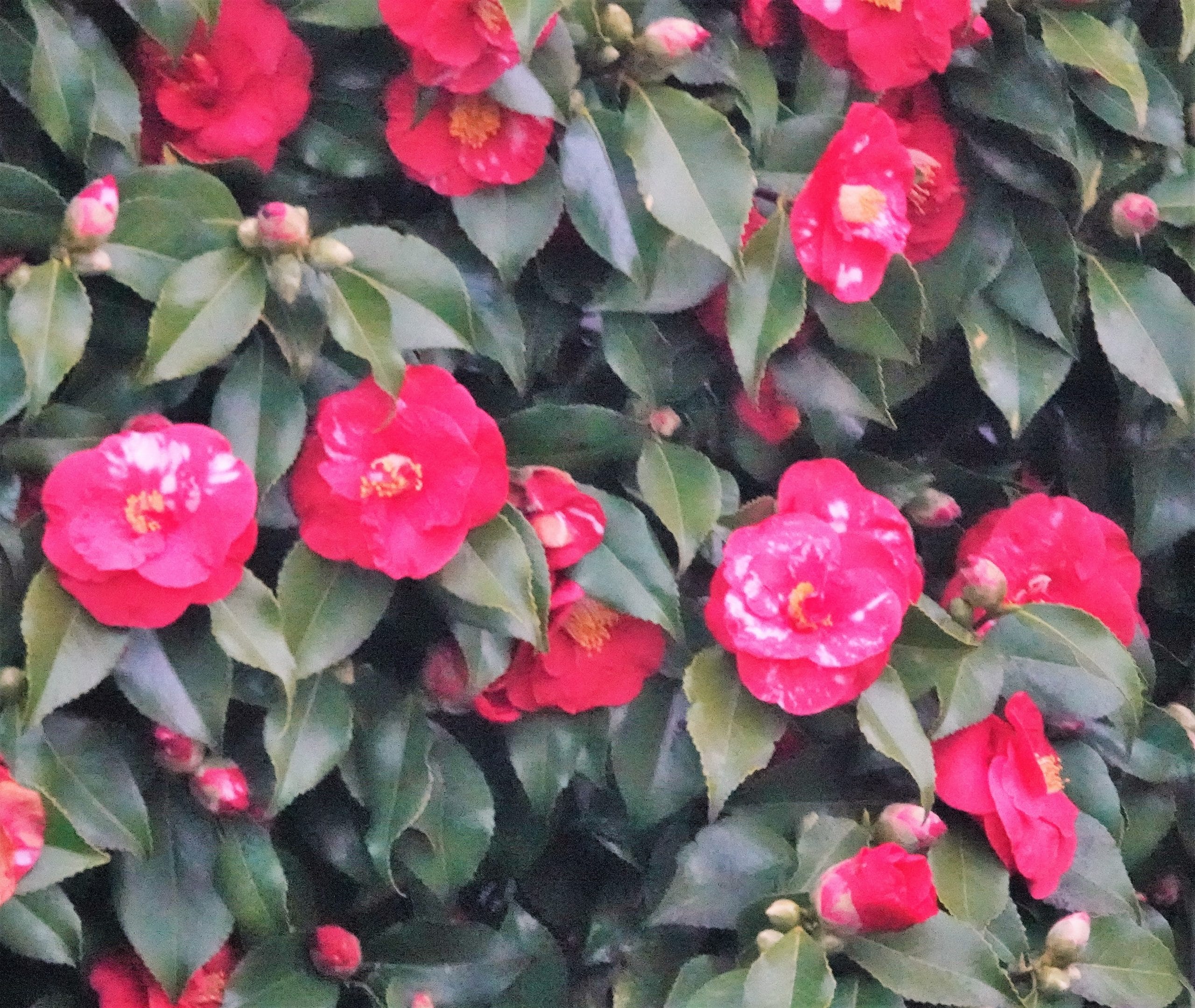
Spring on the East side of Seattle typically starts showing up mid-February, with daffodils, cherry and plum blossoms, and camellias, but this year, winter has kept its cold grip on us, and all the gardens – including mine – are showing barely a spark of life. So we went driving around yesterday looking for signs of spring. We didn’t find many – these pink rhododendrons by Lake Washington, a red swirl camellia, and the jonquils in my yard were the only signs spring might – MIGHT – be on its way. And we’ve had more than our share of rainbows, but mostly in between the gloom of hailstorms, thunderstorms, and just plain rain. We are ready for more light, and more than just metaphorically speaking.
-

- Rainbow in Gloom
-

- red swirl camellias
-

- Jonquils in my garden

-
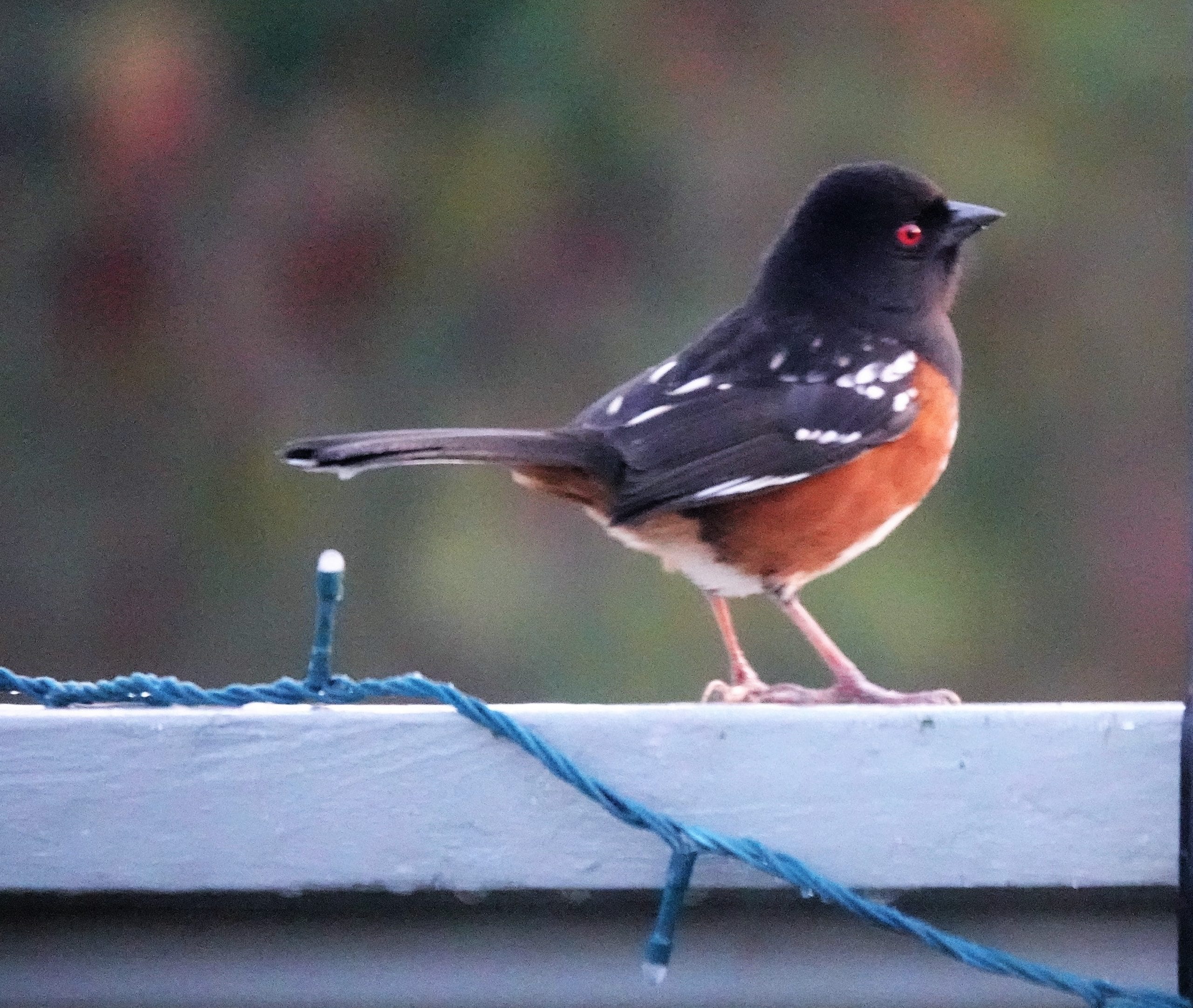
- Spotted Towhee

House finch and chickadee
Tired of “Resilience”
Are you as tired of that word as I am? If I am told one more time by a newsperson or magazine article that I need to build more “resilience,” I will scream. It has been a year since the pandemic was recognized here in the states, a year in which we lost 500,000 people in our country and 5,000 in our state. I am still waiting to hear when Washington State will start vaccinating people like me – disabled, chronically ill types who would certainly be at risk of death if they caught covid – but alas, they are only focusing on age as a risk factor, so I guess I’ll be waiting forever? It’s enough to give a girl a nervous breakdown, especially with the news that more contagious, more deadly variants of covid-19 are developing in CA and NY.
Add on top of that, the writer’s life that is mostly rejection, rejection, rejection, and the advice to build resilience can get really old. I did get an acceptance today, and I have some poems coming out soon in “dream journals” of mine, journals I have been loving for years, like Fairy Tale Review and Image, among others. So I am thankful for that.
But as I as listening to hail hit our roof and windows the other night, I was wondering if one of my three manuscripts I’ve been sending out will get taken soon, or at least before I die. I’m not kidding about that, and I’m not being melodramatic. Everything feels dangerous right now – I have to go to the dentist for a broken tooth this week, and get an MRI for my liver tumors which could kill me if we don’t keep a close eye on them- and without a vaccine it literally feels like I’m risking my life. And let’s not even talk about how impatient my neurologists are being for me to get brain MRIs and other MS tests I have to do in person. I can’t imagine how it feels for my friends who are young but have cancer and are going to regular treatments – and I have several – and be unable to get a vaccine while constantly being in a dangerous hospital environment. Much worse than me, probably. In the meantime, I’m happy for friends in other states who are able to get the vaccine, but I wish my own state would start acting like it values the lives of people like me. I’m happy the third vaccine, Johnson & Johnson, has been approved, but no word on rollout yet. No amount of resilience is going to make up for the tension, anxiety, loneliness, boredom, danger and strain of the last year, and platitudes do not make things better. My usual coping mechanisms- spending time in nature, reading and writing, and connecting with friends (these days, mostly by phone) – may not be adequate to what we are facing.

Reading before a party, 2011
Nostalgia and Reminiscing: Ten Years Ago
What were you doing ten years ago? I couldn’t really remember, so I looked back in a fit of nostalgia at pictures and blog posts from ten years ago, in 2011. I was 37, my second book came out, and even though Glenn remembers me being very sick that year (as yet undiagnosed with a mast cell disorder, a primary immune deficiency, or MS, I was really struggling with symptoms of all those things uncontrolled), I noticed I traveled, I saw friends, I even hosted a couple of parties and did readings. When I was younger, it was easier to “push through” than it is now. I am lucky enough to still be friends with most of the people in these pictures, too! We can’t always say that!
In March 2011, I was very concerned about the Fukushima disaster in Japan, especially as I have several friends that were impacted by the earthquake, tsunami and nuclear meltdown, and its enormous environmental impact. We are always experiencing some kind of crisis here on earth, aren’t we? I was looking forward to going to the Skagit Tulip Festival, I think I was planning a birthday/book party (?), and the Skagit Poetry Festival was coming up. Even though I was sick, I managed to go to a lot of things that cheered me up, and saw a bunch of friends. Looking at these picture makes me impatient for the time I can be inside a bookstore with friends, having people over the house without worry. When will we be able to do that again? Experts are giving us different times – summer, Christmas, 2022? Hopefully sooner rather than later, and hopefully science (the vaccines) will outpace evolution (mutations of the virus).
-

- At Open Books, She Returns to the Floating World book launch
-

- At the Tacoma Zoo with Michaela Eaves, artist

-

- Poets at Skagit Valley Poetry Festival

-

- Kelli Agodon and I getting ready for a reading

-

- Lana Ayers and I getting coffee at Elliot Bay Books

-

- Glenn and I at the Skagit Tulip Festival

Sylvia and Shakespeare, looking like negative photos of each other
So much happens in ten years, right? But some things are comfortingly the same. The tulips will bloom in La Conner this year, whether or not there are crowds to greet them. I lost cousins, a close Aunt and Uncle, both my maternal grandparents. I gained four nieces and nephews. Spring will eventually come to us in Seattle, the days will get longer, more people will get vaccinated. Over ten years, I published three more books, getting correctly diagnosed with several health problems meant I could manage my symptoms better, and I am thankful for friends and family that are still with me. Getting older for me really does feel like a blessing, given that I was given six months to live back in 2018 from liver cancer, and multiple cases of pneumonia could have killed me, but didn’t. Even in quarantine, I am thankful for birds outside my window, my little garden, my cats, husband’s steadiness in the face of disasters. I am wishing you things that can make the next few months, if not joyful, at least bearable.
Snow Woes, Who Gets to Be a Disabled Writer, and Having Trouble Getting It Together? Me too.
- At February 21, 2021
- By Jeannine Gailey
- In Blog
- 0

Valentine Tulips delivered late in the snow
Snow Woes
So our week was generally discombobulated because of our giant (for Seattle) snow event – about 8-10 inches of snow. Vaccine appointments got cancelled, shipments didn’t arrive or arrived late. Mail and packages arrived late, including the tulips Glenn ordered for Valentine’s Day arriving three days late, a little the worse for wear, but still pretty.
It’s disconcerting and disappointing that our vaccine operations – already in WA state going way too slow compared to other states – were derailed by weather. As someone with multiple health vulnerabilities, I have a vested interest in vaccine operations going better than they have been, here. Please, if you care about the lives of your disabled and chronically ill friends, please write to Jay Inslee and tell him to open up vaccinations to us now. Other states have already opened to people with medical conditions AND teachers, like Ohio. Why aren’t we doing things as well as Ohio or New York state? It’s so frustrating to watch.

three deer visitors in the snow
But nothing like what happened in the South, especially in Texas, this week. Many of my friends (and a few relatives) were out of power for days in single-digit temperatures and had no clean or running water. Does this seem so impossible in a modern age, that an entire state could suffer so much from a cold snap? Weird anomalies – like Texas being on its own power grid (except for El Paso, which is on its own grid connected to other states) unconnected to other states because of a decision dating back to 1939 not be part of the federal power grid, and then further that Texas deregulated power and so all the power companies are for-profit entities, and then further than things happened like the nuclear power – that Texas relies pretty heavily on – was run by people who didn’t anticipate things going wrong at a nuclear plant in the cold, which, as luck would have it, they did. (Not bad enough to kill people, but bad enough to shut down a nuclear plant for a while.) So the cold and snow wreaked a lot of havoc and caused a lot of deaths there, due to some some decisions made not by the people there today but politicians of the past and their poor (and dangerous) choices. This was not aided by their Senator taking off to Cancun in the middle of the emergency.
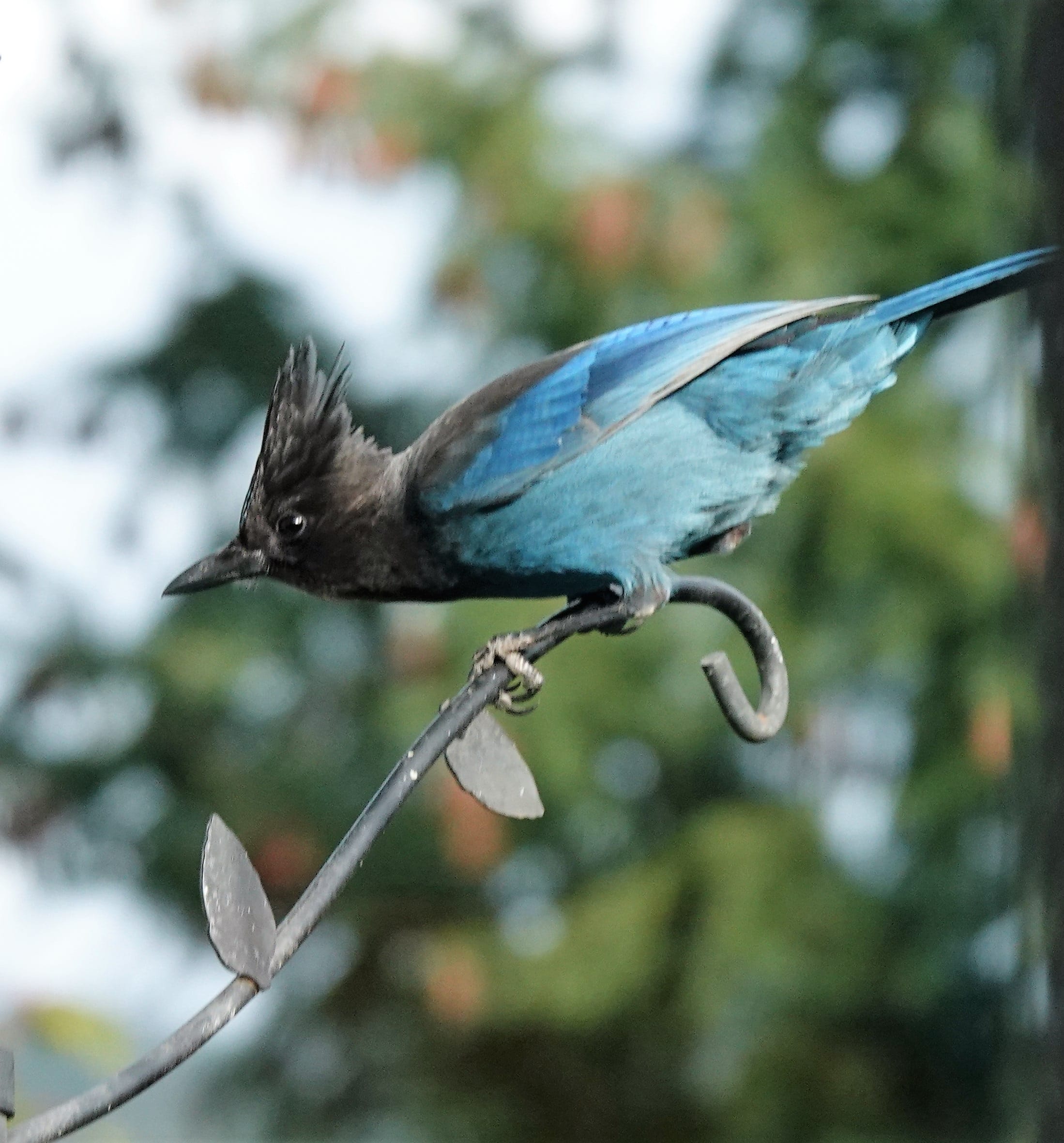
Steller’s Jay
Having Trouble Getting It Together? Me too.
This week I didn’t feel great – a sinus infection thing that caused a bit of a fever – so I lost some time and didn’t feel productive, which I always beat myself up over. I’m stressed out about the lack of access to vaccines in the state and county I live in, I’m stressed out that I still have relatives dying of covid while the country continues its (too slow) vaccine rollout, I’m stressed about not being able to do anything safely, still, a year after I started quarantining due to covid and my health issues including a primary immune deficiency and lung damage from previous pneumonia, which could prove deadly in the face of this virus. People talk about hitting a wall – but it’s more like getting punched in the face repeatedly, by the news, by tragedies, by uncertainty. I mean, I feel like I’m in a losing boxing match I never signed up for. But I was reminded by one of my doctors that everyone is angry, anxious, stressed, getting poor sleep, overwhelmed, and not as productive, or nice, or living “their best life.” We are trying to survive a year of plague that has taken, at this point, almost 500,00o American lives, and many more throughout the globe. Let me say that again: we are trying to survive. That means we are focused on our most basic needs, and this has been thrown into bright relief by the tragedies in Texas brought on by a cold front. When you are focused on your most basic need – to survive – you have to relax about the fact that your self-actualization – at the top of the hierarchy of needs – will have to wait a bit.
Who Gets to Call Themselves a Disabled Writer?
I’m going to tell you a funny story about being disabled, because it sort of encapsulates the way we respond to society’s messages about disability and ability. I was in a wheelchair for the majority of the time between, say, 2007 and 2018. I mean, I could not walk, I could not do stairs. I didn’t have my MS diagnosis back then, so I was going for a variety of therapies – physical therapy, among others. But I never asked my doctor for a handicapped placard for my car. That’s years of being in a wheelchair without every asking for the basic thing that would have made my life much easier doing everyday things, like going to the doctor or the grocery store. And why was that? Because I was loathe to call myself “handicapped.” I did not think of myself as disabled, though anyone looking at me would surely have thought I was. When I was finally hospitalized with overwhelming symptoms of MS – inability to talk, walk, vomiting every day from vertigo, and almost no hand or foot control – I went to the my doctor and asked for a placard. A temporary one, I said. A few months later, I came to the realization that MS was not a temporary problem. My years of falling, accidents, “clumsiness,” had not been random – they had been part of my MS symptoms. Still, I never mentioned MS or my disability in any of my writing. Why not? Maybe because I still didn’t consider myself “disabled enough” to use the name, disabled. Or maybe I didn’t want to accept it would be part of my identity, like walking with a cane or wheelchair, for the rest of my life. I have started to write poems about the subject only in the last couple of years, and I feel very tender about these poems and essays still.
Sandra Beasley, a friend of mine who has several severe food allergies like my own, wrote this essay about claiming her identity as a disabled writer. It’s worth a read. And it made me think of my own nervousness, two AWP’s ago, when I was on a panel and was part of a reading for disabled writers. Was I disabled enough? Could I speak to this group with any authority? Anyway, what does it mean to add “disabled” to your bio, or your descriptions of yourself on social media? If you look at my pictures, you wouldn’t necessarily see any disability, unless you looked closely, or looked at how I cropped out a wheelchair or cane. I notice small things (like my left side never fully recovered from the 2018 MS flare, and I still limp a little on that side, and my eye on that side isn’t quite the same as the one on the right side. Another small thing is I have more trouble reading my poems correctly out loud than I used to. A poetry editor recently asked me to record a video for their site, and asked for a re-recording because I had made minor errors in the words. But I knew that in a re-recording, I was likely to make the same, or worse, errors, because MS makes it difficult for me to read, focus on a camera, and stand at the same time. Did the editor know how bad she made me feel for this neurological anomaly? Probably not. It’s the same with Zoom readings and meetings – I have to shut off my camera sometimes when my brain gets overwhelmed trying to sort noise and imagery and trying to respond properly that that information. It could be perceived as a bad attitude – but really it’s my disability that’s controlling things. During quarantine, I have not asked as much of my body – not trying to walk unfamiliar routes, or dealing with people who don’t know I have MS, or driving to downtown readings that require stairs or doctor’s appointments that take hours of physical endurance to go to. But I still get tired doing things the average person wouldn’t. I have a telltale sign when I’ve done too much that my husband notices – my hands and legs start to tremble fairly aggressively, and this usually means worse symptoms will happen. “Time to rest,” he’ll say, and though I might resist his advice, he’s right. Anyway, I’m telling you all this because it’s hard to be vulnerable and admit your physical, neurological, and mental disabilities. Everyone who has them has a hard time claiming them in a positive way. Do we call ourselves a “disabled person” or a “person with disabilities.” This is an actual thing we have to think about. Disability activists, by the way, are all always tired. They are already pushing themselves to put out the message that access for all is important, that including disabled people in political and artistic venues is important, that their lives still matter even if their legs or brains or ears or eyes don’t work exactly the same way a “normal” person’s do. So be kind when they ask your arts group or association or conference or residency for accommodations – they have already done so much work and they are tired. Disabled people are not trying to make you feel bad or scared or guilty or deal with your feelings about your own mortality/health/human frailty, they are just trying to live their lives in a world that’s fraught with consequences for even mentioning you might be outside the norm.
Happy Valentine’s Day (during a Pandemic and a Snowstorm!), Tentatively Thinking About the Future, and Adventures in Japanese and Plath
- At February 14, 2021
- By Jeannine Gailey
- In Blog
- 2
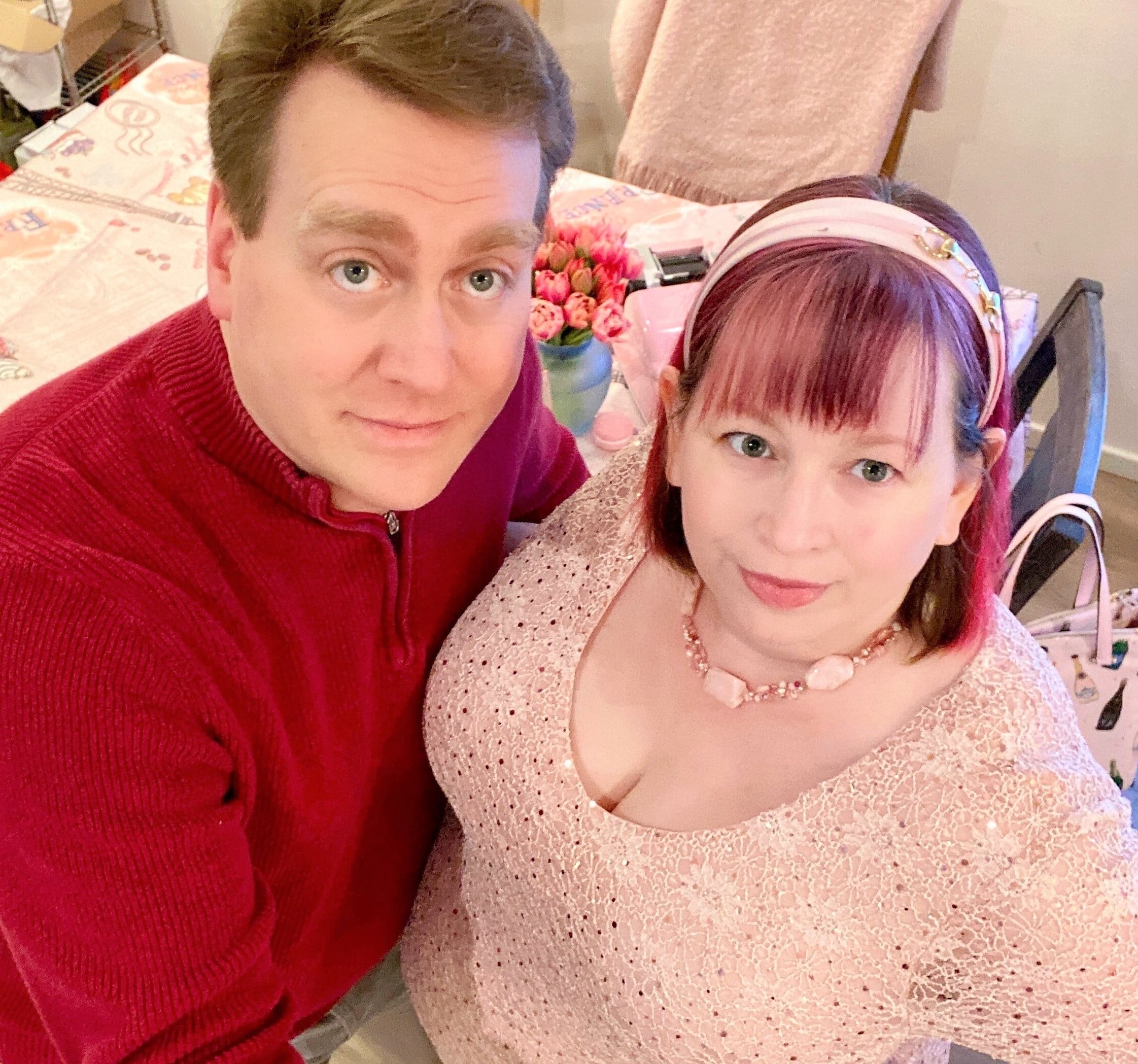
Happy Valentine’s Day from us!
Happy Valentine’s Day 2021 (with Pandemic and Snowstorm!)
So, what are your plans for Valentine’s Day? Is it watching eight inches of snow fall on your doorstep, essentially trapping you at home which you were trapped in anyway because of the pandemic? Yes, that is our plan!
I was pretty sick at the beginning of the week, and then the impeachment with its disappointing ending, so you could say it wasn’t a very romantic beginning to the week. But I’m recovering, we’ll watch some romantic movies tomorrow and Glenn will make a fancy steak dinner (and he made pink heart-shape marshmallows for me!) and we’ll do our best to cheer ourselves up. I’m hopeful that the vaccines will be available for people here soon after a lot of shortages (and government mismanagement) in WA state. My parents in Ohio already have gotten the vaccine, so they will be safe – at least from covid, which is cheering. I’m hoping WA decides to prioritize the disabled, immune-compromised and chronically ill, but there’s no sense of that yet.
The results of the impeachment were not what I hoped, I’m hoping that with the impeachment over, we just don’t have to hear much about former President 45 ever again. It’s so nice to have a competent, low-key, polite President not taking up space in my brain all the time.
The snowstorm is beautiful, even if it keeps away our packages and grocery delivery, and watching the flakes fall is so mesmerizing. We get a big snow – eight inches and still going – so rarely, that it seems almost celebratory.
-

- Snowy pine with pileated woodpecker

-

- Snowy fox

-

- First snow on the camellias

-

- Towhee in a blizzard


Valentine’s Kiss
Tentatively Thinking About the Future
So, as we watch old movies, and watch the snow come down, I’m tentatively thinking about the future. Have you started doing that yet? I’m thinking about my birthday, April 30, and daring to hope I will have the vaccine by then so I can safely go to, for instance, the bookstore or the dentist. Things I’ve been putting off – like going to the gardening store I love, or schedule an appointment to go into Open Books again to browse poetry. I hope to have a celebration, even if it’s just a small one.
And I’m scheduling some medical appointments I’ve been putting off. I’m getting my MRI of my liver – which I haven’t had for a year – next week, and hoping for good news (or no news) there, and soon I’ll be getting my brain MRI for my MS. Health care does feel a little safer now that health care workers, at least, have been vaccinated, even if I haven’t.
And looking at book publishers and imagining which I would like to have publish one of my book manuscripts. There are great established publishers I love – like Copper Canyon, or BOA, or Graywolf – and some great newer ones, like Acre Books or Yes Yes Books. I’ve even started thinking about book covers…I’m hoping that the acceptance of one of the books isn’t too far off now. Is this unfounded optimism? I don’t know. I’m even working on a third manuscript – which seems like the height of nuttiness, but I think I’ve written another book after the second one, all about the pandemic. I’ve also reached out to a couple of poets that I’ve been online friends with for a long time to talk about publication, and it turns out, it’s a great idea to talk on the phone to people instead of just social media. It reminds me of the eighties, when you’d write letters to your friends and sometimes call them, but it was probably too expensive to do often. I’m realizing I have a poetry friends I’ve known for years all over the US, and talking to them reminds me we are all in this together – whether you’re in upstate New York, rural Virginia, or like me, in a far-out suburb of Seattle. Everyone has struggles and doubts, and talking about them seems to make them lessen, and encouraging friends make everything a little better.
Adventures in Japanese (and Plath)

Sylvia cuddled up with Aoka Matsuda’s Where the Wild Ladies Are
With Glenn in data science school at night, I’ve been teaching myself Japanese on Duolingo every night (really helpful – I’ve been trying to teach myself Japanese for more fifteen years, and never gotten very far) and reading a terrific Japanese book, Aoko Matsuda’s Where the Wild Ladies Are, funny, feminist re-takes on some really melancholy Japanese ghost/folk tales. (High recommend for people who like Haruki Murakami, for instance, or Kelly Link.) Also still reading the new, very detailed, Plath biography, Red Comet, which has some terrific samples of her unpublished fiction (found that fascinating) and photos and art work by Plath I’d never seen before.
I had researched the Japanese language, Japanese poetry, and Japanese folk tales for several years to write She Returns to the Floating World, but I still have so much to learn. I would love to actually visit Japan one day, if I ever get healthy enough. When I studied French, going to France really helped me learn to use French in a practical way that I would never have learned remotely, and the constant feedback on accents and vocabulary were invaluable. Right now we can’t travel, but we can dream of it in the future, still. It’s nice, during the pandemic and the winter when we can’t get out as much, to have a project to work on. Next I might try to teach myself the computer language Python, which Glenn is learning for his grad school. It seems pretty accessible. We’ll see!

Valentine Picture with Pink typewriter and Tulips
Anyway, happy Valentine’s Day, or Galentine’s Day, however you choose to celebrate. I recommend, whatever you do, watch something that makes you happy, drink some hot chocolate, and be kind to yourself. And maybe get out a new (or old and well loved) book of poetry to read out loud to yourself or with your loved ones. Some people call Valentine’s Day the Poet’s Holiday, but I’m not sure about that. Nevertheless, if people go looking to poetry in search of romance, or solace, or even apocalypse meanderings, that’s not a bad thing.
Envisioning Better Things
- At February 06, 2021
- By Jeannine Gailey
- In Blog
- 0

Corvid, not covid
Envisioning Better Things – A Practice of Hope, During a Plague Year
So, things have been rough this week. It’s been dreary, rainy, and too cold to go outside much. America hit the 450,000 mark in people that have been lost to covid, as variants with higher contagion rates and seemingly slightly more dangerous consequences are spreading around the world.
Washington State has still got a shortage of vaccines, and they don’t seem to prioritizing the chronically ill or the disabled. I’ve been struggling with anxiety about that and at the same time, trying to get better from a sinus thing and a stomach thing (not covid, just the result of my normally crappy immune system.)
Meanwhile, a literary magazine I’ve respected and longed to get into for twenty years, about ten months after my work appeared in it for the first time, decided to publish a former professor-pedophile who abused students and kept a gigantic collection of child rape films. This triggered a lot of sadness and anger from a lot of abuse survivors, including me (I was raped when I was six years old). The literary magazine then published a non-apology. The whole thing left me feeling sick and disappointed in the poetryworld. Meanwhile, I’m sending my manuscripts out into the world, hoping for a good press to pick them up. Have we decided what a “good press” means to us? What are we even hoping for?

Pink Tulips
So, What Next?
Most pandemics in history have not lasted forever, even with a lack of soap, vaccines, or N95 masks. So we know that this will not last forever, no matter what we do. The vaccines may help squash the numbers of the dead, and help propel the economy back to health, if they can actually be gotten out fast enough to do any good.
Washington State’s lack of prioritization of the chronically ill and disabled may mean a wait for me of some months, but in the meantime, they’re probably going to approve the third vaccine for the US – the Johnson and Johnson vaccine, which might be slightly safer for people like me with a history of anaphylactic reactions to shots. The earliest we can hope to get the shots from them is April, I’ve read. But every person that gets the vaccine now helps slow the steady growth of the virus, slow the ability to mutate safely within each person, and makes the entire planet a little safer.
So, I have reason to think things will get better, gradually, for us in terms of what feels for people like me like an endless quarantine, and for us all in general. Things will get better. Pandemics do not last forever. However, this pandemic has changed the world in ways that might not be reversible. Will we ever feel the same about screaming at a concert, or even singing in a choir?

Resting deer
And as Far as the PoetryWorld
PoetryWorld can feel like a strange and mysterious planet. Like a world of science fiction, with secret languages and disguises and scary monsters. Sometimes this can be overwhelming. You can make friends with other poets, you can help support other younger poets, and you can try in your own way to support journals and presses by buying their books or subscribing or sending in your work. You can review the books of poetry you respect and admire, poets who might not get as much of the limelight as they deserve. But how do we work to make things better for, say, child rape victims, or any victims of sexual abuse in a Poetryworld that seems like it’s still (Still!) run by people either abusing or making apologies and excuses for abusers? Is there a way forward in that goal? Can we just make the poetryworld a better place by staying in it, or staying apart from it? I do not have an answer for this. I wish I did. The truth is, you and I are part of the Poetryworld. We may not run things, but if we stick around and make our voices heard, eventually things might get better. Someone tell me so.
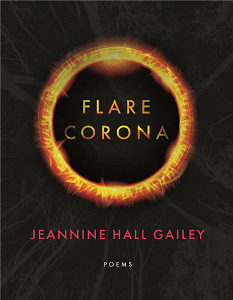
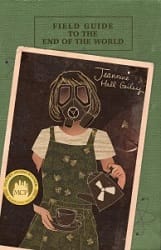
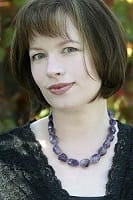 Jeannine Hall Gailey served as the second Poet Laureate of Redmond, Washington and the author of Becoming the Villainess, She Returns to the Floating World, Unexplained Fevers, The Robot Scientist’s Daughter, and winner of the Moon City Press Book Prize and SFPA’s Elgin Award, Field Guide to the End of the World. Her latest, Flare, Corona from BOA Editions, was a finalist for the Washington State Book Award. She’s also the author of PR for Poets, a Guidebook to Publicity and Marketing. Her work has been featured on NPR’s The Writer’s Almanac, Verse Daily and The Year’s Best Fantasy and Horror. Her poems have appeared in The American Poetry Review, Poetry, and JAMA.